DEFAULT
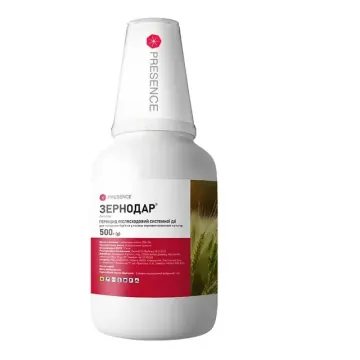
«Нанджин Ессенс Файн-Кемікал Ко. Лтд» (Китай)
Herbicides
0
0
·
58
8 offers
28.75 €per 1 l
Buy
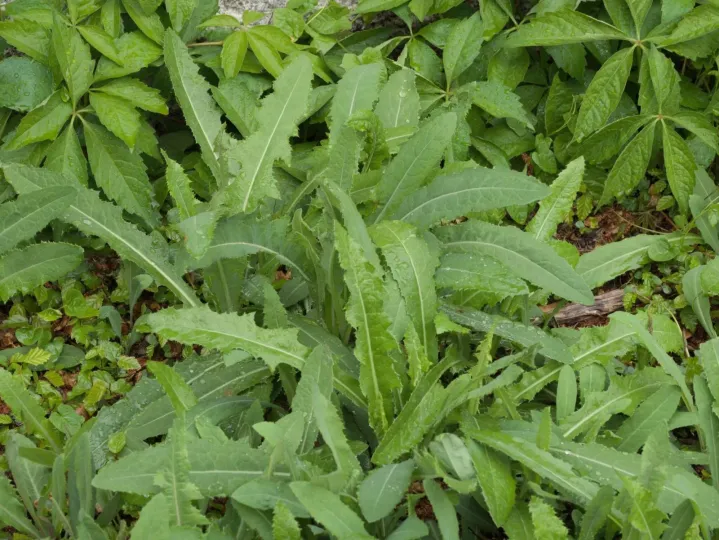
Perennial sow thistle (Sonchus arvensis) is a persistent herbaceous plant belonging to the Asteraceae family, well-known for its invasive growth habit.
The plant features a stout, hollow stem that can grow up to 1.5 meters tall, often branching near the top and covered with glandular hairs.
Leaves are alternate, pinnately lobed or entire with prickly teeth along the edges, forming a basal rosette before the stem elongates.
The flowers are brilliant yellow, resembling dandelions, and are clustered in loose, flat-topped panicles at the top of the stalks.
Seeds are dark brown, equipped with a fine white pappus that allows wind dispersal, facilitating rapid spreading across fields.
This weed is globally distributed, thriving in various temperate regions and colonizing fertile soils with high nitrogen and moisture content.
It is commonly found in cereal fields, row crops like corn and sugar beets, as well as in pastures and waste lands where competition is low.
Its deep taproot system allows it to survive in diverse environmental conditions, making it one of the most difficult perennial weeds to eradicate.
The plant readily exploits fallow lands, and its seeds can remain viable in the soil for several years if environmental conditions are unfavorable.
It prefers well-drained soils but can also adapt to wetter areas near ponds or drainage ditches, often spreading from these reservoirs into fields.
The primary damage caused by perennial sow thistle is the intense competition for soil moisture and nutrients due to its extensive vertical root network.
By shading crops and competing for light, it significantly stunts the growth of sensitive plants, leading to reduced overall yield quality and quantity.
Large infestations complicate the harvesting process, leading to increased humidity in harvested grain and necessitating additional drying costs.
The weed acts as a host for various insects and plant viruses, which can then easily transmit diseases to neighboring cultivated crops.
The allelopathic potential of its root system can create unfavorable conditions in the immediate soil environment, inhibiting the germination of desirable seeds.
Strategic cultivation is crucial, with deep tillage designed to sever and exhaust the root system, preventing the regrowth of new shoots.
Maintaining a rigorous crop rotation cycle that includes competitive cover crops helps to minimize the weed's ability to establish in a field.
Timely post-harvest cultivation helps to eliminate young rosettes and weakens the perennial root storage organs before winter dormancy sets in.
Chemical control is most effective when using systemic herbicides that translocate throughout the plant, including the deep root structures.