

Prices in stores
No offers yet — stores have not added prices for this product yet.
Similar products with prices
-
SerpNertus
from 1.62 €per 1 l
-
 PicadorFabrika Agrokhimikatov
from 3.61 €per 1 l
PicadorFabrika Agrokhimikatov
from 3.61 €per 1 l
-
 JupiterNanjing Red Sun
from 0.58 €
JupiterNanjing Red Sun
from 0.58 €
-
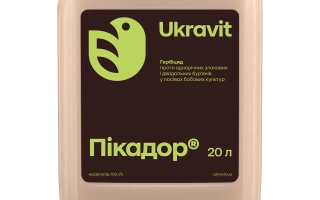 Picador, RK, herbicideUkravite Science Park, LLC
from 6.5 €per 1 l
Picador, RK, herbicideUkravite Science Park, LLC
from 6.5 €per 1 l
Last Treatment Interval, Days
1
By Mode of Action
Selective herbicide
By Application Timing
Pre-emergence herbicide
Form of the preparation
Water-soluble concentrate
Your mark
0 votes
0% positive ratings
About product
A reliable systemic herbicide for soybeans that effectively eliminates major weeds without stressing the crop.
Description
Why "Aquamarin" is the go-to solution for soybean weed control
When you head out to the soybean fields, the primary goal is to clear out competitors without stalling the crop's development. Experience with "Aquamarin" from "Agro-Soyuz" shows that a systemic approach is what works best. As a selective herbicide, it doesn't harm the soybeans but specifically targets the weeds that typically smother the crops right from the start.
Practical application tips
Since this is a pre-emergence herbicide, timing is everything. It is crucial to calculate the dosage correctly — from 0.5 to 1.0 l/ha, depending on the weed infestation level. Working with this water-soluble concentrate is straightforward: it mixes easily with water and does not clog sprayer nozzles, saving you time during refills. The imazethapyr in the formula tackles the main culprits: Canada thistle, bindweed, lamb's quarters, and pigweed. Once applied, the systemic action spreads throughout the plant, leaving weeds no chance of survival.
What every operator needs to know
- Broad-spectrum efficiency: Proven in the field against green foxtail, wild mustard, and radish. The result is consistent when following application rates.
- Flexibility: Being a selective herbicide, it allows for weed control with minimal stress to the soybeans.
- Safety and timing: With a pre-harvest interval of just 1 day, it provides the flexibility needed for farm management, though its primary mission is to clean the field during the early growth stage.
If you're looking for a way to minimize manual labor in your soybean fields and turn weed control into a streamlined operation, "Aquamarin" is predictable, easy to manage, and most importantly, delivers the clean results you expect in the combine hopper.
Composition
Active ingredients
- Imazethapyr гербицид Имидазолы
Application
Against pests
Against weeds
Annual broadleaf weeds
Annual grasses
Barnyard grass
Black-bindweed
Black nightshade
Cleavers
Common chickweed
Common fumitory
Common purslane
Common ragweed
Common sowthistle
Field pennycress
Jimsonweed
Knotweed
Lamiaceae
Large crabgrass
Mustard
Perennial dicots
Perennial sow thistle
Redroot pigweed
Redshank
Resistant to 2,4-D
Shepherd's purse
Spiny sowthistle
Stinging Nettle
Sun spurge
Tumbleweed
Wild mustard
Wild oat
Wild radish
Yellow foxtail
Specifications
| Last Treatment Interval, Days | 1 |
|---|---|
| By Mode of Action | |
| By Application Timing | |
| Form of the preparation | |
| Application rate | From 0.5 - 1.0 L/ha |
| By type of action | |
| Catalog | Catalog → Herbicides, Desiccants |
| Manufacturer | Agro-Soyuz |
| Country | Ukraine |
No reviews yet. Be the first to share your experience.
Alternatives
Herbicides, Desiccants · similar preparations


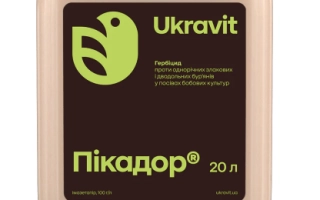
Herbicide PICA-DOR, V.R.K., (imazethapyr 100 g/l)
Nanjing Essence Fine-Chemical Co.
056 1 offer
10.69 €per 1 l ≈ 541 ₴


See also
Often considered together with this product



Recently viewed
Products you’ve viewed on this site
Reviews