
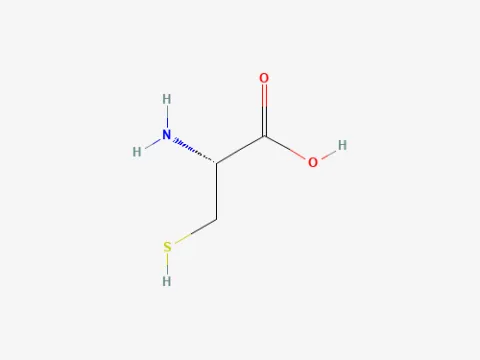
L-cysteine
L-cysteine is a sulfur-containing amino acid utilized in modern agriculture as a potent natural bio-stimulant to help crops mitigate various environmental stresses.
What the section contains
L-cysteine
As a key precursor for glutathione synthesis, L-cysteine plays a vital role in antioxidant defense, neutralizing reactive oxygen species that damage plant cells.
The mechanism of action involves the stimulation of cellular metabolic pathways, which enhances the plant's ability to maintain homeostasis during adverse conditions like drought or extreme temperatures.
It also acts as an organic ligand, forming stable complexes with trace elements, thereby improving the efficiency of nutrient uptake through leaves and roots.
By strengthening cell membrane integrity and promoting enzymatic activity, L-cysteine helps plants recover faster after herbicide applications or mechanical damage.
The primary use of L-cysteine is for stress relief in a wide range of crops, including cereals, legumes, vegetables, and ornamental horticultural plants.
It is specifically targeted at crops undergoing significant physiological pressure, such as recovery after cold snaps, excessive heat, or chemical phytotoxicity.
Application is aimed at stabilizing yield levels in stress-prone regions by providing plants with the necessary building blocks for healthy development.
Beyond recovery, it serves to improve the overall quality of agricultural produce, ensuring better protein content and sugar accumulation in harvested crops.
L-cysteine is also used as a part of comprehensive programs designed to boost plant immunity and improve tolerance to unfavorable growth environments.
Typical application rates range from 50 to 200 grams of active substance per hectare, depending on the specific plant growth stage and the severity of stress.
Applications should ideally be timed with critical physiological phases or immediately following an identified stress event to maximize the recovery potential.
For foliar sprays, it is recommended to apply the solution under conditions that favor stomatal opening, such as early mornings or late afternoons.
Multiple applications throughout the season are possible, usually with a minimum interval of 10 to 14 days to allow the plant to properly metabolize the amino acid.
When mixing with other agrochemicals, ensure L-cysteine is dissolved correctly to maintain its bioavailability and avoid chemical interactions with alkaline products.
Over-application should be avoided, as excessive concentrations might cause imbalanced development, prioritizing vegetative growth at the expense of yield components.
L-cysteine is not effective during plant dormancy periods; therefore, application during these times will not produce the desired bio-stimulatory effects.
Proper storage is essential; the product must be kept in a cool, dry place away from direct sunlight to prevent the degradation of its molecular structure.
Workers should strictly follow standard safety protocols, including wearing protective gear to prevent skin and eye irritation during handling and spraying.
Avoid tank mixing with copper-based fungicides or highly alkaline substances, as these conditions significantly reduce the effectiveness of the amino acid.