
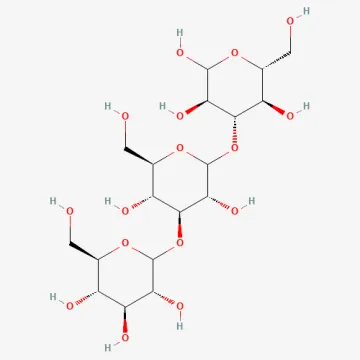
Laminarin
Description
Mode of action
Laminarin is a natural polysaccharide extracted from brown algae, particularly Laminaria digitata. It is recognized as a biological elicitor that enhances the plant's innate immune response rather than acting as a direct toxin against pathogens.
The mechanism of action involves the activation of Systemic Acquired Resistance (SAR). By applying laminarin, the plant perceives a false threat, triggering its own defensive signaling pathways.
Upon perception of laminarin, the plant synthesizes phytoalexins, which are specialized antimicrobial compounds that actively inhibit the growth of fungal pathogens within the plant tissues.
Additionally, laminarin induces the production of pathogenesis-related (PR) proteins. These proteins strengthen cell walls, creating a physical and chemical barrier that prevents the penetration and spread of fungal hyphae.
This approach strengthens the plant’s overall vitality, maintaining a state of high defense readiness for a period after the initial treatment, making it a valuable tool in integrated crop management.
What it targets
Products containing laminarin are effectively used to control a wide range of fungal pathogens. They are highly successful against diseases such as powdery mildew, scab, and various blights on vegetables and fruit trees.
A primary target for laminarin application is the suppression of gray mold (Botrytis), which is a common and destructive pathogen in strawberry production and viticulture.
The substance is also effective against rust diseases and downy mildew. It serves as a reliable alternative or supplement to synthetic fungicides, helping to reduce chemical residues on produce.
Laminarin can also help mitigate the impact of certain bacterial infections by reinforcing the general plant defense system, making it a versatile component in organic farming practices.
Because it works by preparing the plant before the infection sets in, its application is most effective as a preventive measure in high-risk environments.
Rates and timing
The application rate of laminarin is determined by the concentration of the active ingredient and the specific crop requirements. Growers should always follow the manufacturer's technical specifications.
Treatment timing is critical, focusing on early vegetative stages or periods conducive to fungal development. A uniform application is necessary to ensure the entire plant surface receives the priming signal.
Intervals between treatments typically range from 7 to 14 days, depending on environmental pressure and crop susceptibility to specific pathogens.
Laminarin is generally compatible with many crop protection products, though its efficacy can be altered by improper mixing with strongly alkaline solutions which may degrade the polysaccharide.
The intensity of the treatment program can be adjusted based on the expected disease pressure, providing flexibility in managing the crop's protective requirements throughout the growing season.
Restrictions
Laminarin is classified as a low-risk, natural product, which eliminates the need for strict pre-harvest intervals, allowing for harvest shortly after treatment.
Users should be cautious about mixing laminarin with extremely alkaline pesticides, as such environments can neutralize the molecular structure and biological activity of the elicitor.
Storage should be handled carefully, keeping the product away from direct sunlight and extreme temperatures to preserve its stability and effectiveness.
While laminarin itself has no toxic effect on beneficial insects or pollinators, any pesticide mixture containing other active ingredients must be evaluated for overall safety.
- Wear protective clothing during application to avoid skin contact.
- Avoid applying during peak heat and direct UV radiation.
- Keep the product stored in a cool, dry place to prevent degradation.
Status in the European Union
Approved in the EU
- CAS number
- 9008-22-4
- Approved from
- 01.03.2018
- Approval until
- 28.02.2033
- ADI
- Not appl.
- ARfD
- Not appl.
- AOEL
- Not appl.
EU status is for reference only and does not replace national registration in your country.