
Lime sulphur
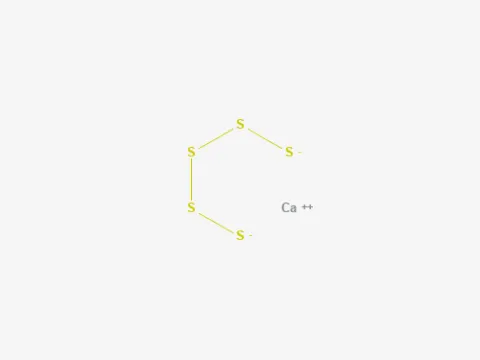
Calcium polysulfide is an inorganic chemical compound derived from the reaction between sulfur and lime, widely recognized in traditional and modern horticulture.
What the section contains
Lime sulphur
It acts primarily as a contact fungicide and insecticide, exerting a strong inhibitory effect on the germination of fungal spores and the development of insect populations.
The mechanism involves the release of hydrogen sulfide and fine sulfur particles upon contact with air, which creates a hostile environment for pathogens and pests.
This compound disrupts the cellular respiration of fungi and effectively breaks down the protective chitinous layers of mites and scale insects during their dormant stage.
Furthermore, it is highly valued for its ability to sanitize plant surfaces, removing mosses and lichens that provide shelter for harmful organisms in orchards.
It is effectively used to control a wide range of diseases, including powdery mildew, apple scab, leaf spot, and various rusts affecting fruit and ornamental trees.
The product serves as a potent acaricide and insecticide, targeting overwintering stages of spider mites, aphids, scale insects, and mealybugs.
- Powdery mildew (Erysiphaceae)
- Apple scab (Venturia inaequalis)
- Spider mites
- Scale insects (Coccidae)
- Fungal cankers and bark diseases
By sanitizing the bark and pruning wounds, calcium polysulfide significantly reduces the inoculum potential in the orchard before the growing season begins.
It is also employed in vineyards to manage various fungal pathogens that affect the woody parts of the vine during the dormant season.
During the dormant season, higher concentrations are typically applied to provide a deep cleansing effect against pests hiding in bark crevices.
When used during the growing season, extreme caution and lower concentrations are required to prevent phytotoxicity to sensitive foliage and developing fruit.
Complete coverage of the target area, including trunks and large branches, is essential for the product to be effective in eradicating overwintering populations.
The protective interval varies based on environmental conditions; heavy rainfall shortly after application may necessitate re-treatment to maintain protection.
Consult local agricultural guidelines to determine the specific timing based on the developmental phenophases of the target crop.
Calcium polysulfide is strictly incompatible with most other pesticides, particularly those that are acidic, as mixing can cause rapid degradation.
Users must wear protective equipment, including gloves and respirators, as the substance is caustic and can cause irritation to the eyes, skin, and respiratory tract.
The solution is corrosive to metal parts of spraying equipment; therefore, thorough cleaning with clean water is required immediately after use.
Do not apply during periods of high temperature or intense sunlight, as this significantly increases the risk of plant tissue burn.
In case of accidental exposure, immediately flush the affected area with plenty of water and seek medical attention if irritation persists.