
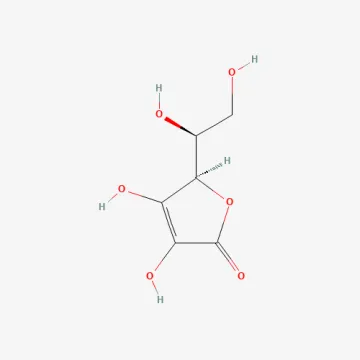
L-Ascorbic acid
Description
Mode of action
L-ascorbic acid acts as a potent water-soluble antioxidant that plays a vital role in regulating redox reactions within plant cells.
In agronomy, this substance is classified as a growth regulator and an anti-stress agent rather than a traditional pesticide, helping to neutralize reactive oxygen species (ROS).
The mechanism of action centers on protecting the photosynthetic apparatus and cell membranes from damage caused by adverse environmental factors.
The compound assists in maintaining homeostasis within tissues, allowing the plant to better utilize endogenous resources for environmental adaptation.
Application of the agent activates enzymatic detoxification systems, which prevents premature tissue aging and facilitates improved nutrient absorption.
What it targets
L-ascorbic acid is used to protect agricultural crops against abiotic stressors, including temperature extremes, drought, and excessive ultraviolet radiation.
The primary goal of its application is to enhance tolerance to phytotoxicity caused by systemic herbicides or fungicide treatments.
The substance supports plant recovery following mechanical damage, such as hail or stress induced by agricultural equipment during field operations.
Its use is effective for vegetable, fruit, and cereal crops, both in open-field conditions and controlled environments like greenhouses.
The agent also helps mitigate the negative impacts of soil salinity and water deficit on the metabolism of the root system.
Rates and timing
Application rates vary depending on the crop variety, current growth stage, and the severity of the stress experienced by the plants.
Treatment is typically performed via foliar spraying, ensuring uniform coverage of leaves for efficient absorption and rapid systemic effect.
Optimal timing coincides with critical vegetative stages or immediately after the stress event, such as following a frost or heat wave.
Dosage must be carefully calculated based on the working solution concentration to avoid over-application, which can disrupt natural metabolic processes.
The frequency of treatment ranges from 1 to 3 applications per season, with intervals of at least 10–14 days to ensure sustained protective benefits.
Restrictions
It is important to note that L-ascorbic acid is sensitive to direct sunlight and high temperatures; therefore, spraying should be conducted during cooler evening hours.
Mixing the product with highly alkaline solutions is discouraged, as this can lead to rapid degradation of the active component.
Although the substance is environmentally safe, operators should avoid contact with mucous membranes when handling working solutions.
Storage of the technical material or formulated products requires cool, dark conditions to prevent oxidative breakdown of the ingredient.
The product is intended to complement, not replace, a comprehensive fertilization program, helping plants maintain metabolism during stressful periods.
Status in the European Union
Not approved in the EU
- CAS number
- 50-81-7
- Approved from
- 01.07.2014
- Approval until
- 30.06.2024
- ADI
- Not appl.
- ARfD
- Not appl.
- AOEL
- Not appl.
EU status is for reference only and does not replace national registration in your country.