
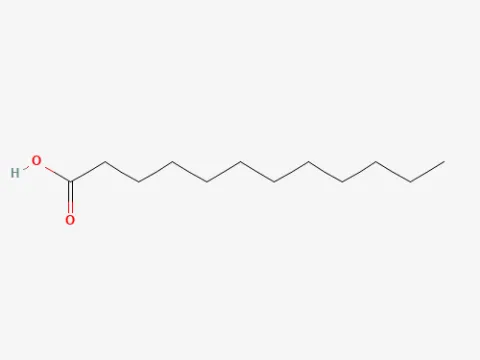
Lauric acid
Lauric acid is a medium-chain saturated fatty acid widely recognized for its natural insecticidal and fungicidal properties in modern plant protection.
What the section contains
Lauric acid
The primary mechanism of action involves the physical disruption of the cell membranes and cuticular wax layers of target pests and fungal pathogens.
Upon contact, the substance causes rapid dehydration of soft-bodied insects, leading to mortality through the loss of cellular integrity.
Because it is a natural fatty acid, it is highly biodegradable and does not persist in the environment, making it suitable for organic cultivation.
It acts as a non-systemic agent, meaning it must directly cover the target organisms to be effective, which necessitates careful spray application techniques.
The application of lauric acid-based products is focused on controlling soft-bodied agricultural pests that are susceptible to lipid-disrupting agents.
It provides effective management of aphids, spider mites, and whiteflies, which are common threats to both greenhouse and field crops.
Beyond insect control, it exhibits inhibitory effects against powdery mildew fungi by damaging the surface mycelium on plant leaves.
These agents are particularly useful when integrated into pest management programs designed to reduce reliance on synthetic chemical pesticides.
- Aphids
- Spider mites
- Whiteflies
- Powdery mildew
Application rates are determined by the specific formulation of the product, typically involving a dilution of 0.5% to 2% in water.
Thorough coverage of all foliage surfaces is crucial, particularly the underside of the leaves where many pests thrive and reproduce.
Applications should be timed to hit early infestation stages to prevent the rapid population growth typical of mites and aphids.
Due to the quick breakdown of the active ingredient, repeat applications every 5 to 7 days are recommended during periods of high pest pressure.
Applying the spray during cooler hours of the day, such as early morning or late evening, optimizes efficacy and minimizes potential leaf damage.
Direct contact is mandatory for the substance to function; pests shielded by dense plant growth or inside leaf rolls will not be affected.
Phytotoxicity can occur if the product is applied in direct sunlight or under high ambient temperatures, potentially causing marginal leaf burns.
The product lacks long-term residual activity, which means it cannot provide lasting protection against re-infestation without consistent follow-up.
Water quality matters; high mineral content in the water can react with fatty acids, reducing the stability and effectiveness of the spray solution.
While safe for the environment, users should wear basic protective gear to prevent irritation of the eyes and respiratory system during preparation.