
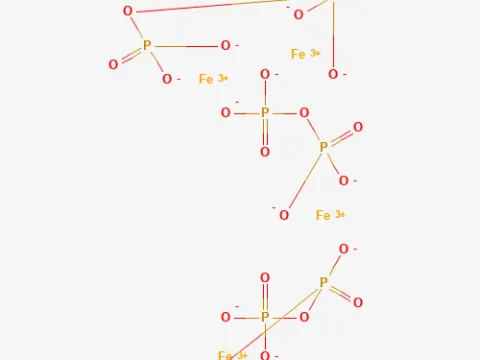
Ferric pyrophosphate
Iron phosphate is an inorganic compound classified in modern agronomy as a highly effective contact-stomach molluscicide.
What the section contains
Ferric pyrophosphate
The mechanism of action involves disrupting the physiological state of mollusks after they ingest the bait pellets along with their food.
Once inside the pest's digestive tract, the compound causes a rapid cessation of feeding, which stops further damage to agricultural crops.
Unlike many other chemical agents, iron phosphate does not cause immediate death on the soil surface, causing slugs and snails to retreat into shelters before they die.
This compound is environmentally safe because it breaks down naturally in the soil into iron and phosphates, which are utilized by plants as nutrients.
Products based on iron phosphate are used exclusively to control gastropod mollusks, specifically slugs and snails.
These pests can cause significant damage to backyard gardens and industrial plantations by feeding on delicate leaf tissues and fruits.
Pests are most active in high humidity conditions, making the application of this substance most effective during rainy periods or after irrigation.
The range of applications includes vegetables, berries, ornamental plants, and flowers in both open-field and greenhouse conditions.
Using the product helps maintain the marketability of the produce and prevents the spread of secondary infections that enter through wounds caused by pests.
Application rates vary depending on the infestation level and the crop type, usually ranging from 5 to 7 kg per hectare.
Pellets should be distributed evenly across the soil surface around plants or between rows, avoiding direct contact with leaves or fruits.
The optimal time for application is during evening hours or after irrigation when slug activity increases, enhancing the probability of contact with the bait.
Treatment can be repeated as needed by following the intervals specified in the manufacturer's instructions to ensure continuous protection.
It is important to ensure that pellets are not buried in the soil, as they must remain accessible to surface-dwelling mollusks.
Iron phosphate is characterized by high environmental safety, yet standard safety precautions must still be followed during handling.
Avoid direct contamination of food and animal feed with the pellets, as they are intended solely for plant protection purposes despite their low toxicity.
It is not recommended to apply the product during heavy downpours, as rapid pellet dissolution can reduce their attractiveness and effectiveness against pests.
The product must be stored in a dry, cool place out of the reach of children and pets, in its original tightly sealed packaging.
When used in greenhouses, ensure proper pellet distribution to prevent areas where pests could move freely toward the plants.