
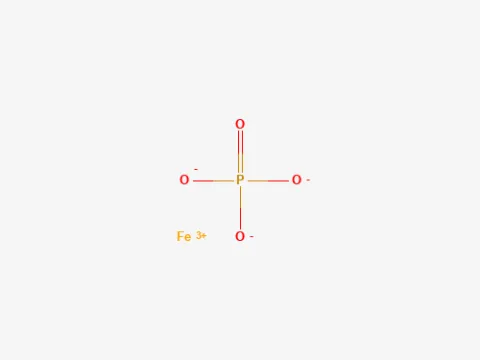
Ferric phosphate
Iron phosphate is an inorganic compound that acts as a selective stomach poison against terrestrial mollusks. Unlike traditional metaldehyde-based baits, this substance is characterized by high environmental safety for non-target organisms, including pets and wildlife.
What the section contains
Ferric phosphate
After ingesting the pellets containing iron phosphate, slugs and snails stop feeding immediately due to gastrointestinal irritation. The active ingredient causes rapid dehydration of the pest's body, which leads to its death within a few days.
A key feature of its action is the metabolic breakdown of the compound in the soil. During natural decomposition, iron phosphate turns into phosphates and iron oxides, which are natural plant nutrients, ensuring it does not accumulate in crops or groundwater.
The low toxicity profile for vertebrates makes it a preferred choice for integrated pest management (IPM) programs. It allows growers to maintain effective control without compromising the health of the local ecosystem or domestic animals.
Formulations based on iron phosphate remain effective even under high humidity conditions, which is crucial for controlling slug activity, as these pests are most mobile and destructive after rainfall or heavy irrigation cycles.
The primary use of products based on this active ingredient is to control various species of land mollusks, including field slugs, grey garden slugs, and snails. These pests can destroy seedlings and cause significant damage to vegetable, berry, and ornamental crops.
- Vegetable crops (lettuce, cabbage, tomatoes, cucumbers)
- Fruit and berry plantations (strawberries, bush berries)
- Ornamental flowers and nursery plants
- Turfgrass and ornamental gardens
Application rates depend on pest population density and species composition, typically ranging from 5 to 7 kilograms of granulated product per hectare. The pellets should be spread evenly on the soil surface around the plants to be protected.
Timing of application is linked to periods of mass pest emergence, usually in the evening or after rain. It is essential to ensure the pest comes into contact with the bait, so the product is often distributed in inter-rows or around the perimeter of the target area.
The use of iron phosphate is limited mainly by the need to observe intervals between treatments in cases of severe infestations. The product does not require specific storage conditions, but it must be kept dry inside its packaging until the moment of actual application.
Pre-harvest intervals are practically non-existent because the active ingredient does not penetrate plant tissues and is not a systemic poison. However, standard safety and hygiene protocols should always be followed when handling agricultural products.