
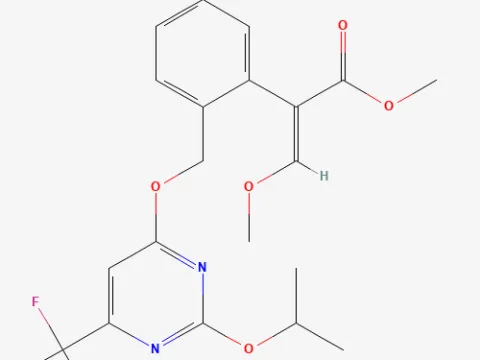
Fluacrypyrim
Fluacrypyrim is an advanced active ingredient belonging to the pyrimidinylalkylsulfide chemical class. It acts as a highly effective systemic fungicide with protective properties.
What the section contains
Fluacrypyrim
The mechanism of action involves inhibiting the metabolic processes within the fungal cell. The substance targets the respiratory chain of the pathogen, disrupting essential enzyme functions and halting growth.
Due to its systemic properties, the compound is absorbed by plant tissues and transported via the xylem to provide comprehensive coverage of developing foliage.
Fluacrypyrim is effective against a wide range of pathogens, functioning both as a preventative tool and as an early-stage curative treatment for various fungal infections.
A key advantage of this substance is its significant resistance to washing off by precipitation, ensuring sustained efficacy and reducing the need for frequent repeat applications.
The substance is primarily utilized as a fungicide to manage significant pathogenic threats to essential field crops, vegetables, and perennial plantations.
Fluacrypyrim is highly active against various ascomycetes, basidiomycetes, and deuteromycetes, which are responsible for yield losses in major agricultural systems.
It is specifically recommended for controlling powdery mildew, rusts, and complex leaf spot diseases that frequently impact cereal production and horticulture.
The product also demonstrates efficacy against soil-borne and stem-base pathogens, contributing to better plant vigor and overall yield stability.
- Powdery mildew fungi
- Rust diseases
- Leaf spot pathogens
Application rates for Fluacrypyrim are determined by the target crop, the specific disease severity, and the anticipated pathogen pressure in the given environment.
Optimal timing for application occurs during the active vegetative growth phase, with preventative measures yielding the most effective long-term results against infection.
For consistent performance, thorough spray coverage of the leaf area is essential to ensure that the systemic action of the fungicide is fully utilized.
Users must adhere to local manufacturing guidelines regarding dilution and application frequency to maximize cost-efficiency and performance in the field.
It is strongly advised to rotate Fluacrypyrim with fungicides from different chemical groups to mitigate the risk of resistance development in target populations.
Safety protocols must be strictly followed when handling Fluacrypyrim, including the use of appropriate personal protective equipment for respiratory and skin protection.
Fluacrypyrim is considered toxic to aquatic life; therefore, strict buffer zones near water bodies must be observed during the spraying process.
Storage should be conducted in original containers, away from direct sunlight, in temperature-controlled environments to maintain the stability of the active ingredient.
Compliance with pre-harvest intervals is mandatory to ensure that chemical residues in the final harvested produce remain well within established safety limits.
Do not apply during high wind conditions to prevent drift, which may damage non-target plants or contaminate adjacent land parcels.