
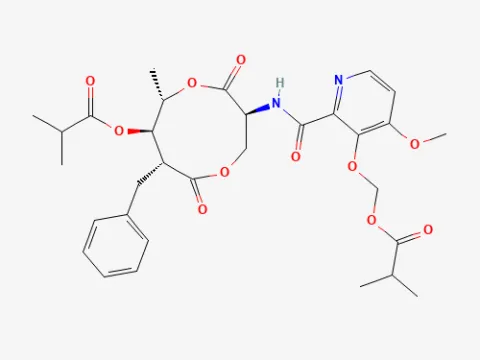
Fenpicoxamid
Fenpicoxamid is an innovative active ingredient belonging to the picolinamide chemical class. It possesses a unique mechanism of action against pathogenic fungi, showing no cross-resistance with existing fungicide classes such as triazoles or strobilurins.
What the section contains
Fenpicoxamid
The primary biological target of the substance is the suppression of fungal cellular respiration. It effectively blocks the Qi site of the cytochrome bc1 complex (complex III) in the pathogen's mitochondria, leading to the rapid cessation of energy metabolism in fungal cells.
The substance is characterized by a strong curative and long-lasting protective effect. Due to its chemical structure, fenpicoxamid is capable of penetrating plant tissues, providing protection for both the upper and lower leaf surfaces, which is crucial for controlling difficult infections.
The product demonstrates high stability on plant surfaces and resistance to rainfall, ensuring reliable crop protection even under unstable weather conditions during the spring and summer periods.
The use of products based on this active ingredient allows agronomists to effectively manage anti-resistance strategies, incorporating it into protection programs as a standalone element or in combination with other fungicide groups.
Fenpicoxamid is primarily focused on protecting cereal crops such as wheat (winter and spring) and barley. It is considered a "gold standard" in the fight against the most harmful foliar diseases.
The key target is Septoria leaf blotch and glume blotch (Zymoseptoria tritici), which causes immense yield losses in regions with temperate and humid climates.
The substance also demonstrates high efficacy against various types of rust, including leaf rust and yellow rust of wheat, preventing premature senescence of the foliage.
Additionally, there is a positive effect on the control of spots such as tan spot (Pyrenophora) and Helminthosporium, which helps maintain clean crops during critical vegetative phases.
- Septoria leaf blotch
- Leaf rust
- Yellow rust
- Tan spot
The timing of fenpicoxamid application is tied to the phenological development stages of cereal crops. The optimal window for application is considered to be the active growth period from the stem elongation stage to the flag leaf stage.
Application rates vary depending on the partner product, infection pressure, and climatic zone, but general recommendations suggest using a sufficient volume of spray solution to ensure full coverage of the vegetative mass.
The product can be used preventively before visible symptoms appear, as well as early after infection, thanks to a pronounced "stop effect" on the early stages of pathogen development.
When creating treatment schedules, it is important to consider that the active ingredient works most effectively in moderately warm weather, providing prolonged protection for the flag leaf.
Application should be carried out in compliance with environmental protection regulations, especially when working near water bodies, using well-maintained spray equipment to achieve uniform coverage.
When using fenpicoxamid, it is necessary to follow the regulations specified in the product label to minimize risks to beneficial entomofauna and non-target organisms.
Although the substance is characterized by low toxicity to mammals, standard personal protective equipment (gloves, goggles, and respirators) must be used when handling concentrates.
There are strict limitations on the number of applications per season to prevent the selection of resistant fungal strains in the long term.
It is not recommended to spray during periods of extreme drought or night frost, as this may reduce the biological activity of the fungicide and lead to uneven distribution of the active ingredient.
It is important to observe pre-harvest intervals, which are established by national standards for each crop treated with this plant protection product.