
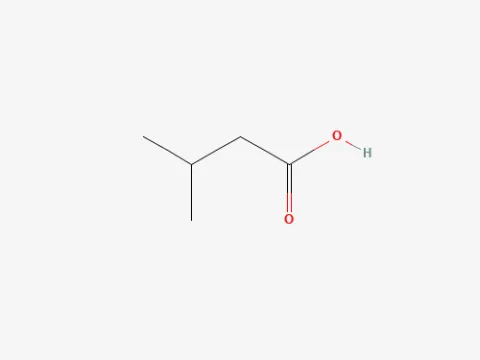
Isovaleric acid
Isovaleric acid serves as a key organic compound in agricultural formulations, primarily functioning as a potent plant growth regulator and an anti-stress agent.
What the section contains
Isovaleric acid
Its mechanism of action involves the stimulation of cellular metabolic pathways, specifically by enhancing mitochondrial respiration and the efficient utilization of energy reserves.
By modulating the plant's hormonal balance, this compound improves the plant's ability to withstand abiotic stressors such as thermal fluctuations and water scarcity.
The application of this substance promotes rapid recovery of enzymatic systems that are often suppressed during periods of environmental or chemical stress.
It acts as a metabolic primer, helping the plant to maintain physiological homeostasis even when growing under sub-optimal ecological conditions.
The substance is primarily used to enhance the resilience of various agricultural crops, including cereals, vegetables, and ornamental plants against environmental adversity.
It is widely applied in modern farming to mitigate the phytotoxic effects caused by herbicide applications, ensuring that the primary crop continues to thrive.
Isovaleric acid is an essential tool in nursery management, where it is used to improve seedling survival rates during the critical transplanting phase.
Its application targets improved root architecture, which in turn leads to more efficient uptake of essential soil macro- and micronutrients throughout the growing season.
- Improved germination and seedling emergence.
- Mitigation of post-pesticide stress in crops.
- Enhanced recovery after frost or heatwave damage.
Timing for application is crucial, with the best results obtained during the early vegetative stages or immediately following a stress event such as a cold snap.
Application rates must strictly follow the manufacturer's guidelines, as the concentration is typically optimized within complex biostimulant mixtures.
Foliar spraying should be performed during calm weather conditions to maximize the uptake of the active compound through the leaf cuticle and stomata.
Repeated applications are often recommended in cases of prolonged stress, ensuring the plant receives a consistent signal to maintain high metabolic output.
Water quality and pH levels should be monitored prior to preparation to ensure that the stability and solubility of the acid are maintained for optimal field performance.
Operators should wear standard personal protective equipment, including gloves and goggles, to avoid irritation when handling concentrated formulations.
Compatibility testing is mandatory when mixing with other crop protection products, especially those with high pH levels, to prevent chemical degradation.
Storage must be maintained in a cool, well-ventilated area away from direct sunlight and heat sources to preserve the chemical integrity of the substance.
Any spills should be cleaned promptly following established safety protocols for chemical handling to avoid environmental contamination.
While the product is generally safe, agronomic judgment should be exercised to prevent the over-stimulation of crops, which could potentially lead to imbalanced biomass development.