
Tomato ringspot virus
Tomato ringspot
Tomato ringspot virus (ToRSV) is a plant pathogenic virus belonging to the genus Nepovirus within the family Secoviridae. It is a polyphagous virus known for causing significant economic losses across various crop sectors.
What the section contains
Tomato ringspot virus
The virus is primarily transmitted by dagger nematodes (genus Xiphinema). These soil-dwelling organisms acquire the virus while feeding on infected roots and transmit it to healthy plants during subsequent feeding sessions.
Transmission also occurs through the movement of infected plant materials, such as rootstocks, scions, and seeds. Mechanical transmission via contaminated tools or grafting equipment is also possible in greenhouses.
The virus particles are roughly 30 nm in diameter and possess a multipartite RNA genome. It can persist in various perennial weed species, which act as latent reservoirs, maintaining the inoculum in the soil for long periods.
Molecular detection techniques like ELISA and RT-PCR are essential for accurate diagnosis because the symptoms caused by ToRSV can be easily confused with those of other viral or nutritional disorders.
ToRSV has a broad host range, infecting many economically important crops including solanaceous plants (tomatoes, peppers), small fruits (raspberries, strawberries), and orchard trees (apples, cherries).
In tomato cultivation, the virus leads to systemic infection characterized by severe stunting and yield reduction. Infected plants often produce fewer fruits, which are frequently deformed or discolored.
In berry crops like raspberries, the virus causes a condition known as "crumbly berry," where the fruit fails to develop properly. This can lead to the total abandonment of infected plantings.
Orchard trees infected with ToRSV may suffer from bark necrosis and general decline, reducing the tree's lifespan and fruit quality. The presence of the virus weakens the host, making it susceptible to further environmental stress.
The economic damage is exacerbated by the difficulty of managing soil-borne nematode populations, which ensures the virus remains in the field for many years despite crop rotation attempts.
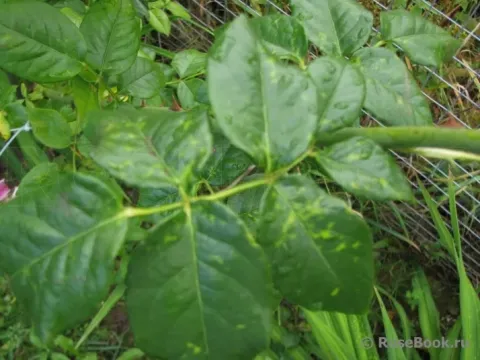
The most common symptoms include chlorotic rings, lines, and mosaic patterns on leaves. In advanced stages, these patterns may develop into necrotic tissues, leading to premature leaf drop.
Affected tomato fruits often exhibit ring-like spots or blotches. They are typically smaller than normal and may have an uneven, bumpy surface, significantly lowering their market value.
In woody perennials, symptoms appear as stunted shoot growth, shortened internodes, and occasionally tip dieback. Leaves may show yellowing or reddish margins during the growing season.
General plant vigor is significantly reduced. In field conditions, infection usually starts in small patches that gradually expand as the nematode populations move through the soil.
- Chlorotic or necrotic ringspots on foliage.
- Leaf distortion and mosaic patterning.
- Reduced fruit size and irregular shapes.
- Tip dieback and stunting of shoots.
- Overall loss of plant vigor.
Integrated pest management focusing on nematode control is the primary strategy. Pre-plant soil fumigation or the use of nematicides can help reduce the population of Xiphinema vectors.
The use of certified virus-free planting material is the most effective preventative measure. Farmers should avoid sourcing plants from nurseries where the virus is known to be present.
Rogueing, the process of removing and destroying infected plants as soon as symptoms appear, is critical to prevent the local spread of the virus within the field.
Strict hygiene protocols, including the disinfection of pruning tools with appropriate chemical agents, are necessary to prevent mechanical transmission during crop maintenance.
Ongoing research focuses on breeding resistant cultivars. Resistant rootstocks have proven to be a vital tool in managing the virus in high-value fruit and berry industries.