
Tomato stem rot
Diplodina lycopersici
Description
How to identify
The causative agent of this disease is the fungus Diplodina lycopersici (synonym Didymella lycopersici), which belongs to the kingdom Fungi. It is a significant phytopathogen affecting various solanaceous crops.
The pathogen survives as pycnidia in soil on crop residues, on seeds, and on greenhouse structures. Spores are primarily dispersed by splashing water, irrigation, and contaminated tools used in cultivation.
The fungus thrives in high humidity (above 85%) and moderate temperatures ranging from 18°C to 22°C. These conditions are common in poorly ventilated greenhouses, promoting rapid disease spread.
The infection cycle begins when spores enter through wounds or micro-cracks in the stem. Once inside, the fungus colonizes the vascular tissues, causing systemic damage to the plant structure.
Because the fungus is highly contagious in confined environments, the primary focus must be on preventing the initial outbreak to avoid catastrophic damage to the crop.
What it damages
The primary host is the tomato plant, but the fungus also attacks other solanaceous crops like peppers and eggplants. This broad host range necessitates strict sanitation across the entire garden or greenhouse.
All parts of the plant are susceptible, including roots, stems, leaves, and fruit. Stem lesions are the most destructive, often leading to total plant collapse and death.
Fruit infection results in rot that renders the tomatoes completely unmarketable. This rot typically begins at the stem end and spreads rapidly through the tissue.
Yield losses can be severe, often ranging between 50% and 70% in untreated greenhouses. The economic impact is further exacerbated by the loss of harvest timing and labor costs.
The rapid progression of the disease turns healthy sections of the crop into sources of infection, necessitating immediate action to halt further spread across the plantation.
Signs of infestation
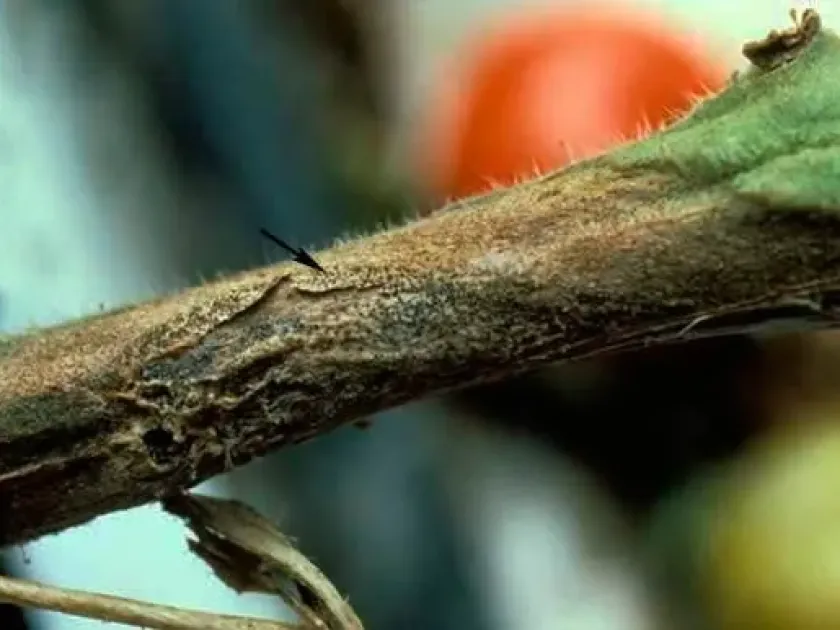
Symptoms initially appear as small brown spots on the stem, often near the soil line. These spots deepen and expand, forming cankers that eventually girdle the stem, restricting nutrient flow.
The presence of minute black dots (pycnidia) within the necrotic lesions is a definitive diagnostic feature of Diplodina infection, distinguishing it from other types of stem rot.
As the infection progresses, leaves begin to wilt, turn yellow, and die. This is a secondary response to the vascular disruption caused by the fungal growth within the stem.
Fruit symptoms are characterized by dark, sunken lesions, typically located at the point of attachment to the fruit stalk. These lesions quickly become soft and can lead to fruit drop.
- Sunken, brown stem lesions with distinct edges.
- Visible black pycnidia on the surface of necrotic areas.
- Wilting of the plant top while lower leaves remain deceptively green.
- Stem-end rot of fruits.
Control measures
The foundation of effective control is crop rotation, ideally avoiding tomatoes and other nightshades for at least 3-4 years. Removing all crop debris is critical to breaking the life cycle.
Greenhouse sanitation is paramount. Disinfect all structures and surfaces before planting and ensure optimal ventilation to keep relative humidity below 70% during the growing season.
Practice precise irrigation techniques, such as drip lines, to avoid wetting the stems. Keep foliage dry to prevent splashing and subsequent spore movement between plants.
When symptoms appear, apply fungicides recommended for solanaceous crops. Systemic fungicides are particularly effective at inhibiting fungal growth within plant tissues.
Strict hygiene during pruning is required. Always disinfect shears and other tools with a sterilizing solution between each plant to prevent accidental transmission of the pathogen.
Causes diseases · 2
Discussion
No discussions yet — be the first.