
Tomato spotted wilt virus
Tomato spotted
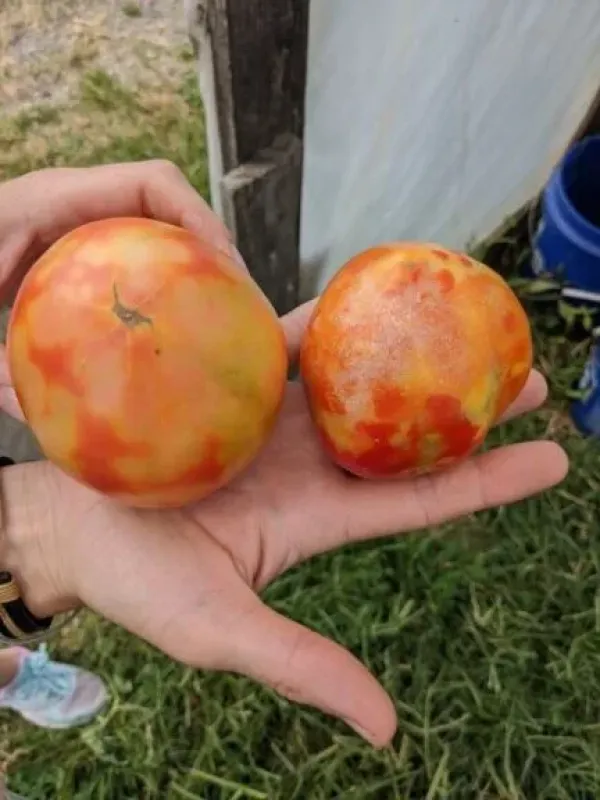
Description
How to identify
Tomato spotted wilt virus (TSWV) is the type species of the genus Orthotospovirus within the family Tospoviridae.
It is a plant-infecting virus with a tripartite single-stranded RNA genome enclosed in a lipid-containing membrane.
The virus is primarily transmitted by several species of thrips, with the Western flower thrips (Frankliniella occidentalis) being the most significant vector.
Thrips acquire the virus during their larval stage by feeding on infected host tissues, and once infected, they can transmit the pathogen for the rest of their lifespan.
TSWV has an extremely broad host range, infecting over 800 plant species including various vegetables, ornamentals, and field crops.
What it damages
This pathogen causes severe losses in essential horticultural crops such as tomatoes, peppers, potatoes, lettuce, and many ornamental flower species.
The severity of the damage depends on the age of the plant at the time of infection; early-stage infection often leads to stunted growth and total crop failure.
Economic impact includes direct yield reduction and significant loss of fruit marketability due to necrotic spotting and severe deformation.
In greenhouses, the virus can spread rapidly, potentially devastating the entire production cycle if the vector population is not kept under control.
Furthermore, TSWV creates entry points for secondary infections, as the weakened plant tissue becomes susceptible to opportunistic fungi and bacteria.
When it appears
The virus can persist throughout the growing season, with outbreaks often occurring when environmental conditions favor high thrips populations.
In greenhouse settings, the virus can remain active year-round, provided there is a continuous supply of host plants and vector presence.
The primary inoculum in the early season often originates from wintering weeds or volunteer crops that survived the cold months.
The spread of the virus is directly correlated with the migration patterns of adult thrips, which move between fields and structures.
Warm and dry weather conditions generally accelerate the development cycle of the vector, leading to an increased incidence of viral transmission.
Signs of infestation
Characteristic symptoms include chlorotic or necrotic spots, ring-like patterns, and wavy lines on the leaves of infected plants.
Apical dominance is often lost, resulting in stunted growth, terminal bud necrosis, and a general bronzed or purplish appearance on leaves.
Fruits produced by infected plants display uneven ripening, distinct circular spots, and surface deformations that render them unmarketable.
Systemic symptoms may appear as severe mosaic patterns on foliage and necrotic streaks on stems and leaf petioles.
- Concentric ring spots on leaves
- Necrosis of growing points
- Stunted plant development
- Deformed fruit morphology
- Yellowing and wilting of shoots
Control measures
Effective management requires strict weed control around cropping areas, as many weeds act as asymptomatic reservoirs for the virus.
Implementing an integrated pest management (IPM) program to reduce thrips populations is critical for preventing virus transmission.
The use of TSWV-resistant cultivars is the most sustainable and efficient strategy for mitigating losses in major vegetable crops.
Early identification and rogueing of infected plants are essential to slow down the rate of pathogen spread within a greenhouse or field.
Exclusion methods, such as insect-proof netting and rigorous sanitation of tools and clothing, are vital to preventing the introduction of the vector.
Causes diseases · 1
Discussion
No discussions yet — be the first.