
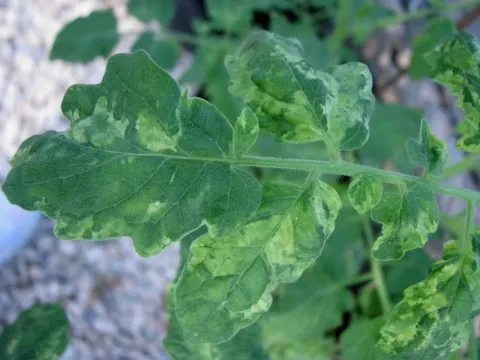
Tobacco mild green mosaic virus
Tobacco mild
Tobacco mild green mosaic virus (TMGMV) is a member of the Tobamovirus genus, within the family Virgaviridae. It is a highly stable RNA virus that can persist for long periods in soil, contaminated irrigation water, and plant debris.
What the section contains
Tobacco mild green mosaic virus
The virus is characterized by rod-shaped virions. Its primary mode of transmission is mechanical, meaning it spreads easily through human activity, such as handling plants, pruning, or contact between adjacent infected and healthy foliage.
The host range is predominantly limited to the Solanaceae family. It causes significant economic losses in commercial crops such as tobacco, tomatoes, peppers, and various ornamental plants.
The virus causes systemic infection throughout the host plant. Once established, it disrupts normal physiological processes, leading to reduced photosynthesis, stunted growth, and lower quality yields for both fruits and leaves.
The primary symptom is a mild mosaic pattern on the leaves, characterized by patches of light and dark green discoloration. Unlike other viruses, the symptoms can sometimes be subtle, making early detection difficult in the field.
Leaves may show deformation, crinkling, or narrowing, which affects the plant's overall photosynthetic capacity. Growth retardation is common, leading to shorter internodes and a decrease in the overall size and vigor of the infected plant.
- Mosaic mottling on foliage
- Leaf curling or distortion
- Necrotic spots on fruits
- Reduced fruit size and quality
- Systemic stunted plant development
In some cases, plants may exhibit latent infection, where symptoms are absent or negligible, yet the plant remains a reservoir for further transmission to other susceptible hosts in the vicinity.
The most effective strategy is the use of virus-free seeds and transplants. Implementing strict sanitation protocols, such as washing hands with soap and disinfecting tools with trisodium phosphate, is crucial to stop mechanical spread.
Removing and destroying symptomatic plants as soon as they are identified helps in minimizing the spread of the virus within the field or greenhouse. Do not compost infected plant material, as the virus can remain viable.
Crop rotation with non-solanaceous plants is highly recommended to reduce soil-borne inoculum levels. Furthermore, managing weeds that can harbor the virus is a critical step in maintaining healthy crop environments.