
Tobacco etch virus
Tobacco etch
Tobacco etch virus (TEV) is a plant pathogenic virus belonging to the genus Potyvirus in the family Potyviridae. It is a positive-sense single-stranded RNA virus that affects a wide variety of plant species worldwide.
What the section contains
Tobacco etch virus
The virus is primarily transmitted in a non-persistent manner by several aphid species, with the green peach aphid (Myzus persicae) being the most efficient vector. Mechanical transmission also plays a significant role in the field during routine agronomic practices.
TEV is not typically seed-borne. Instead, it overwinters in various perennial weed species, which serve as reservoirs. Once aphid populations begin their spring migration, they acquire the virus from these weeds and transfer it to agricultural crops.
The viral particles are flexuous, filamentous structures approximately 730–750 nm long. By interacting with the host's cellular machinery, the virus disrupts normal physiological processes, leading to the severe symptoms observed in infected plants.
For accurate detection, ELISA (Enzyme-Linked Immunosorbent Assay) and RT-PCR are standard diagnostic tools. Laboratory testing is essential because field symptoms can easily be confused with those caused by other potyviruses.
TEV causes significant damage to members of the Solanaceae family, including tobacco, peppers, tomatoes, and potatoes. It can also infect certain legumes and various common weeds, such as jimsonweed and bindweed.
In tobacco, the virus creates unique patterns on the leaves that resemble fine etchings. These symptoms compromise the quality of the leaves and lead to reduced market value for the harvested crop.
In pepper and tomato crops, the virus causes severe fruit deformation, stunting, and color variation. Yield losses can be drastic, often reaching 50% or more, particularly when infections occur early in the growing season.
The virus significantly weakens the host plant, making it more susceptible to environmental stressors and secondary pathogens. This reduced vigor often results in overall crop failure in severely infested fields.
Plants infected at the seedling stage often remain stunted and fail to produce marketable fruit. This early-season impact is a primary concern for growers and requires immediate management focus.
The disease cycle begins in early spring as migratory aphids move from overwintering weed hosts to susceptible crops. This migration period is the window of highest risk for the initial introduction of the virus into a field.
Disease development is most rapid during warm weather, which promotes both aphid activity and viral replication within the host tissues. Symptoms typically become more pronounced as the temperature rises throughout the summer.
By late autumn, the incidence of active transmission declines as aphid populations decrease. However, the virus successfully survives in the roots of perennial weeds, preparing the cycle for the next season.
Climatic conditions, specifically mild winters, can lead to higher survival rates for both the host weeds and the aphids, increasing the potential for earlier and more severe viral outbreaks in the following year.
Agricultural operations during the growing season, such as cultivation or pruning, can inadvertently spread the virus if the tools or hands are contaminated, leading to secondary clusters of infected plants.
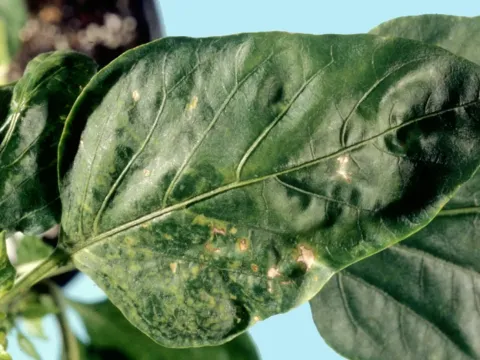
The most distinctive signs include mosaic patterns, chlorotic mottling, and the characteristic etched lines on the leaves. Infected foliage often becomes crinkled, brittle, and distorted.
- Yellowing or chlorosis between leaf veins.
- Severe curling or twisting of the apical (top) leaves.
- General stunting of the entire plant due to shortened internodes.
- Fruit symptoms, including misshapen fruit, mottling, and reduced size.
- Necrotic spots on leaves or stems in some susceptible varieties.
In pepper plants, the virus often causes a reduction in leaf size and a distinct mosaic pattern, leading to significantly lower fruit yields. The affected fruits are often deformed and unmarketable.
Tomato plants infected with TEV may show thread-like leaf development, known as shoestring symptoms. This makes the plant look sickly and reduces its ability to produce high-quality tomatoes.
As a systemic virus, TEV spreads throughout the entire vascular system of the plant. Monitoring for early signs on new growth is the most reliable way to identify an infestation in its initial stages.
Effective management focuses on controlling aphid populations. Using insecticides early in the season can reduce the likelihood of virus introduction by limiting the number of vectors landing on the crop.
Sanitation is critical; removing host weeds from the field borders and surrounding areas significantly reduces the virus inoculum. Keeping the area free of solanaceous weeds is a foundational cultural practice.
Growers should use certified, virus-free seeds and transplants. Protecting seedlings in insect-proof greenhouses or under row covers during the early stages of development is highly effective.
Strict hygiene protocols should be implemented for field workers. Regular disinfection of tools, equipment, and clothing helps prevent the mechanical transfer of the virus between healthy and infected plants.
Research into breeding resistant or tolerant cultivars remains the long-term solution. Integrating genetic resistance with good agricultural practices provides the most sustainable defense against this virus.