
Sphaerotheca
Sphaerotheca
Sphaerotheca is a genus of fungi belonging to the Erysiphaceae family, which are known as the primary pathogens responsible for powdery mildew diseases in various plant species. These fungi are obligate biotrophs, surviving only by extracting nutrients from living host tissue.
What the section contains
Sphaerotheca
The fungus develops mycelium on the surface of leaves and stems, using specialized structures called haustoria to penetrate the epidermis. Through these structures, it drains nutrients from the plant, weakening its metabolic processes.
Reproduction occurs mainly through conidia, which are produced in large quantities and dispersed by wind. This allows the pathogen to spread across entire fields rapidly under favorable environmental conditions.
The fungus produces cleistothecia, which are dark, durable sexual fruiting bodies. These structures allow the pathogen to survive harsh winters in plant debris and soil, ensuring the disease emerges again the following season.
Development is favored by moderate temperatures and high humidity, though Sphaerotheca is unique in that it does not strictly require free water for spore germination, allowing it to thrive in varied climates.
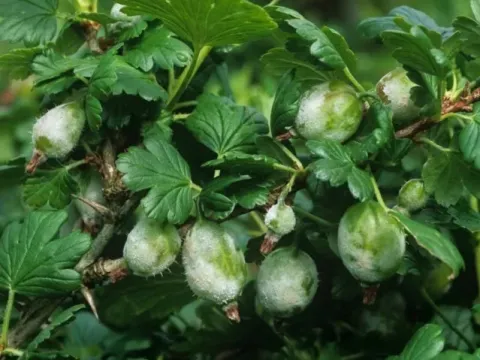
Sphaerotheca affects a wide variety of horticultural and agricultural crops, with gooseberries, cucumbers, zucchini, and roses being highly susceptible to the disease.
The primary damage is a reduction in photosynthesis due to the mycelial layer covering the leaf surface. This causes severe physiological stress, leading to stunted growth, reduced yields, and poor fruit quality.
Infected fruits often become malformed, hard, and unmarketable. The powdery mildew layer can also make fruits susceptible to secondary fungal or bacterial rots, further degrading the harvest.
For perennial plants, repeated infection reduces plant vigor and winter hardiness. This leads to early leaf senescence and may eventually kill the plant if left unchecked over several growing seasons.
Agricultural losses can be catastrophic, often resulting in complete yield failure in susceptible varieties without rigorous chemical or biological intervention during the peak of the growing season.
The most distinctive sign of Sphaerotheca infection is the appearance of white, powdery, mycelial growth on leaves, shoots, and fruit. Initially, it may look like small isolated spots but spreads quickly.
As the infection progresses, the white patches become denser, often turning grayish or brown as the fungus produces its sexual fruiting structures (cleistothecia) late in the season.
- White, dusty coating on foliage.
- Curled and distorted young shoots and leaves.
- Premature leaf drop and yellowing.
- Poor fruit development and skin cracking.
- Tiny black fruiting bodies visible on the surface of old patches.
Plants severely affected by the pathogen show a reduced ability to recover, even after treatment, because the physical destruction of leaf tissue is often irreversible.
Early diagnosis is crucial, as the dust-like appearance of the conidia is a clear indicator that the fungus is actively spreading and in its most infectious phase.
The first line of defense is the selection of resistant cultivars or hybrids. Genetic resistance is the most sustainable and cost-effective way to manage powdery mildew in most crops.
Good agricultural practices such as maintaining proper plant spacing, ensuring adequate ventilation in greenhouses, and removing diseased plant debris after harvest are essential to reduce inoculum levels.
Chemical control involving fungicides such as triazoles, strobilurins, or sulfur-based compounds can effectively inhibit fungal growth if applied preventatively or at the first onset of symptoms.
Biological control methods, including the use of Bacillus subtilis-based products, provide an effective and environmentally friendly option for managing the disease during the pre-harvest period.
Balanced fertilization is vital. Excessive nitrogen promotes succulent growth, which is highly susceptible to infection, whereas balanced potassium and phosphorus help strengthen plant tissues against fungal penetration.