
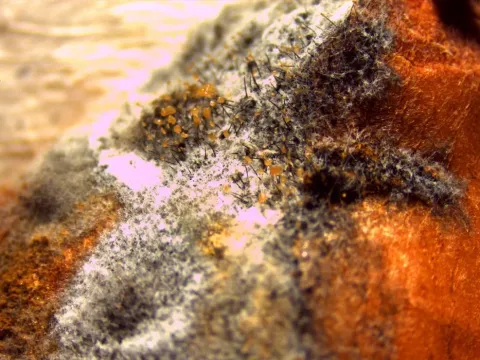
Sphaeronaema fimbriatum
Sphaeronaema fimbriatum
Sphaeronaema fimbriatum (syn. Ceratocystis fimbriata) is a destructive fungal pathogen belonging to the Ascomycota division, notorious for causing significant losses in agricultural crops.
What the section contains
Sphaeronaema fimbriatum
The fungus is characterized by the production of pycnidia with long necks, which are specialized structures used to release spores into the surrounding soil or air.
It is a highly persistent pathogen capable of surviving in soil for extended periods through the formation of dormant chlamydospores, resisting adverse environmental conditions.
The biological cycle involves both asexual and sexual stages, allowing the fungus to rapidly adapt and colonize host tissues through wounds or root hairs.
As a vascular parasite, it interferes with the plant's nutrient transport, leading to systemic decay and eventual death of the affected plant parts.
The primary host of this pathogen is the sweet potato (*Ipomoea batatas*), where it is the causative agent of the devastating disease known as "black rot".
The infection attacks the entire plant, but the most severe damage is observed in the storage roots, rendering the harvest unmarketable and inedible.
Infection can occur during the seedling stage in greenhouses, causing stunted growth and preventing proper crop establishment in the field.
Once established in a field or storage facility, the pathogen can quickly spread, causing significant economic losses to farmers and commercial producers.
The disease also facilitates secondary infections by other microorganisms, leading to the complete disintegration of the root structure.
The initial symptoms include the appearance of dark, circular, sunken lesions on the skin of the roots, which gradually darken to a deep black color.
The internal tissue beneath the lesions turns dark brown or black, becoming firm and dry as the fungus consumes the starch and nutrients of the tuber.
Seedlings infected at the base show a characteristic blackening of the stem, often leading to total plant collapse before harvest.
In humid conditions, a fine, olive-green fungal growth may become visible on the surface of the lesions, indicating active spore production.
During storage, the rot can spread from infected tubers to healthy ones through physical contact, leading to rapid deterioration of the entire batch.
Integrated pest management, starting with long crop rotations (at least 3-4 years), is the most effective strategy to reduce the pathogen population in the soil.
Using disease-free planting material and rigorous field sanitation practices are critical to preventing the introduction of the fungus to new land.
Effective post-harvest management, including curing the roots in a dry, well-ventilated environment, helps to heal wounds and prevent fungal penetration.
Cleaning and disinfecting tools, equipment, and storage areas are essential to minimize the risk of spreading the pathogen between different crop seasons.
- Selection of resistant sweet potato varieties.
- Destruction of all infected plant debris immediately after harvest.
- Avoidance of mechanical injuries during digging and transportation.