
Clover rot
Sclerotinia trifoliorum
Clover rot is a fungal disease caused by Sclerotinia trifoliorum, an ascomycete fungus. It is a severe pathogen specifically affecting various species of clover and other forage legumes.
What the section contains
Clover rot
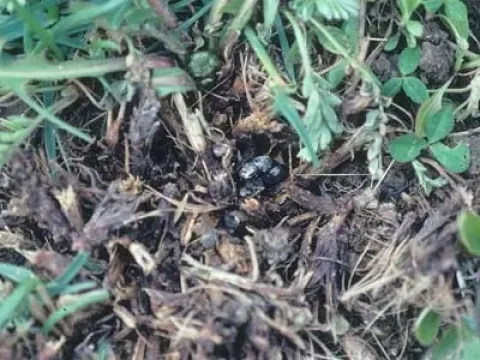
The pathogen survives in the soil primarily as sclerotia—hard, black, resting structures. These structures allow the fungus to persist for many years without a host.
The fungus is classified within the Sclerotiniaceae family. It is a soil-borne pathogen that thrives under cool and humid environmental conditions, typical of temperate climates.
The life cycle begins with the germination of sclerotia into apothecia, which release ascospores. These spores are spread by wind and infect susceptible host plants.
The pathogen primarily attacks the crown and root tissues, which are critical for the survival and regeneration of perennial clover plants after winter.
The disease primarily targets red clover, white clover, and alsike clover. Other legumes, such as alfalfa and vetch, can also be hosts for the pathogen.
The primary damage occurs at the crown of the plant. The fungus destroys the vascular tissues, causing the plant to wither and eventually collapse.
Economic losses are significant due to the loss of plant stands. Infected fields exhibit patchy growth, leading to reduced yields of forage and seeds.
In severe cases, entire field areas are wiped out. The loss of clover often leads to an increase in opportunistic weed populations, further lowering forage quality.
Infection weakens the plants significantly, making them more susceptible to winterkill and reducing the vigor of the remaining stand in the following season.
Symptoms are most visible in early spring when the snow melts. This is when the destruction caused by the fungus during the winter months becomes apparent.
Autumn is another critical period for infection. Mild, wet weather during the fall encourages the germination of spores and the colonization of young seedlings.
During the heat of summer, the fungal activity is greatly reduced or ceases entirely. The fungus remains dormant in the soil in its sclerotial stage until the next cool period.
Winter conditions, particularly mild winters with frequent freeze-thaw cycles and high humidity, provide the perfect environment for the pathogen to spread.
The risk of spread is heightened by prolonged periods of mist, fog, or rain, which keep the plant crowns moist and favor the growth of the white mycelium.
The initial signs include yellowing and wilting of the leaves in the spring. Plants often look stunted compared to their healthy neighbors in the field.
A white, cottony mycelial mat can be observed around the base of the stems and the crown. This is a clear indicator of the fungal infection in progress.
As the disease progresses, the crown and root tissues turn brown and soft. Eventually, dark black sclerotia are formed within the infected tissue or on the surface.
The sclerotia are irregular in shape and serve as the main diagnostic feature of the disease. They are easily identified once the plant tissue begins to break down.
- Yellowing and wilting of leaves
- White cottony fungal growth on crowns
- Hard black sclerotia development
- Root system decay and plant detachment
Crop rotation is the most effective management strategy. A gap of at least 5–6 years between clover crops is recommended to reduce soil-borne inoculum levels.
Deep plowing can help bury sclerotia at depths where they are unable to germinate and produce apothecia, thus disrupting the primary infection cycle.
Maintaining proper soil pH through liming is crucial, as Sclerotinia trifoliorum is generally more active and virulent in acidic soil conditions.
Using certified, disease-free seed is essential to prevent the introduction of the pathogen into new areas, as sclerotia can sometimes contaminate seed lots.
Selection of resistant varieties is key. Plant breeders focus on developing clover cultivars with enhanced resistance to Sclerotinia infections to ensure stand longevity.