
Rhizopus stolonifer
Rhizopus stolonifer
Rhizopus stolonifer is a fungus belonging to the Zygomycota phylum, widely known as black bread mold. It is a cosmopolitan organism commonly found on decaying organic matter.
What the section contains
Rhizopus stolonifer
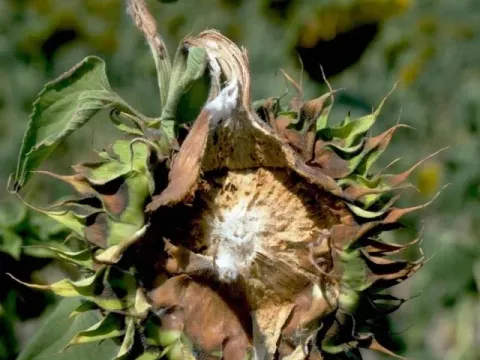
The fungus develops a rapid-growing, thread-like mycelium that initially appears as white, fluffy cotton-like colonies covering the substrate surface.
As the fungus matures, it produces dark, almost black, pinhead-sized sporangia containing thousands of spores, which give the colony its characteristic peppered appearance.
It reproduces both sexually through the formation of zygospores and asexually, allowing it to survive in the soil and on crop debris for extended periods under diverse environmental conditions.
The fungus utilizes stolons and rhizoids to colonize new areas, anchoring itself into the plant tissue while secreting enzymes to degrade the material for nutrition.
Rhizopus stolonifer is a major cause of post-harvest soft rot in various fruits and vegetables, including strawberries, peaches, tomatoes, and sweet peppers.
The pathogen is particularly destructive to crops with high sugar and moisture content, causing rapid tissue collapse and significant economic losses during transit and storage.
In addition to agricultural damage, the fungus is known to spoil bakery products, making them unsuitable for consumption due to the production of enzymes and toxins during growth.
Seedlings may also suffer from damping-off caused by this fungus, especially in greenhouses where humidity levels are high and air circulation is insufficient.
Because the fungus secretes potent pectinolytic enzymes, it can turn a firm fruit into a watery, mushy mass within a few days of initial infection.
The primary symptom of infection is the development of soft, watery lesions that rapidly spread across the surface of the fruit or vegetable.
A dense, white mycelial growth quickly covers the affected area, which soon transforms into a greyish mass covered in tiny black dots representing the reproductive structures.
Infected produce often emits a distinct fermented or sour odor, accompanied by the leaking of internal fluids as the cellular structure of the host is completely destroyed.
The infection typically initiates at points of mechanical injury or bruising, which provide the pathogen easy access to the nutrient-rich interior of the plant tissue.
Under favorable conditions of high humidity, the fungus can spread from a single infected piece of fruit to adjacent healthy items, leading to rapid nest-like rot in storage containers.
Effective management begins with careful harvesting and handling to prevent physical wounds, as the fungus relies on these entry points to infect healthy tissues.
Maintaining strict hygiene in storage facilities and cleaning all containers before use is essential to reduce the spore load that could cause future outbreaks.
Managing the storage environment is critical; keeping temperatures low and humidity levels well-controlled helps suppress fungal growth and sporulation.
Prompt removal of any infected or damaged fruit is a standard and necessary practice to prevent the disease from spreading throughout the entire stored batch.
While chemical fungicides may be utilized on specific crops in accordance with regulatory guidelines, preventive cultural practices remain the most effective strategy for long-term control.