
Rhizopus oryzae
Rhizopus oryzae
Rhizopus oryzae is a filamentous fungus belonging to the Zygomycota phylum. It is well-known for its rapid growth and extensive formation of aerial, non-septate mycelium.
What the section contains
Rhizopus oryzae
The fungus produces sporangia containing thousands of spores, which are easily dispersed by air currents. This high reproductive rate allows it to colonize various substrates quickly.
Biologically, it acts as a facultative parasite, meaning it can thrive on dead organic matter or exploit weakened plant tissues. Its survival is facilitated by the formation of tough zygospores in the soil.
The species is distinguished by its high metabolic versatility, producing enzymes like cellulases and pectinases. These enzymes actively degrade plant cell walls during the infection process.
Taxonomically, it is classified within the family Mucoraceae. In agricultural settings, it is commonly identified by its dense, cotton-like mycelial colonies that rapidly cover the substrate surface.
This pathogen causes diseases on a wide variety of crops, including rice, sunflower, peanuts, and many horticultural products. It is particularly notorious for causing seed decay and seedling blight.
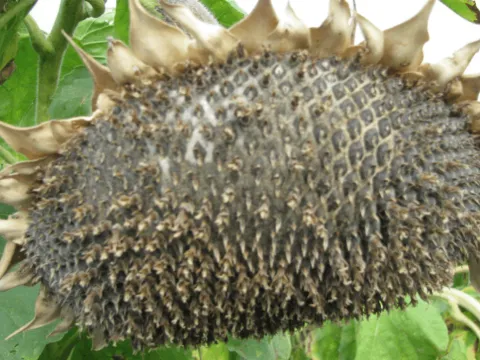
In sunflower cultivation, the fungus causes head rot, leading to substantial reductions in seed quality and oil content. This impact often results in significant financial losses for producers.
In fruit and vegetable crops, Rhizopus oryzae triggers soft rot, quickly turning the harvest into a mushy mass. This decay is exacerbated during storage if temperature and humidity controls fail.
The fungus is a major threat to grain in storage, where it promotes self-heating and molding. Such spoilage makes the grain unsuitable for commercial use and human consumption.
By attacking young seedlings in the soil, the pathogen creates thin plant stands and patches of failed germination. It essentially prevents crops from establishing a healthy root system.
The pathogen thrives in warm and humid conditions, with an optimal growth range between 25°C and 35°C. These conditions trigger the most aggressive phases of infection.
In the field, infection peaks occur during periods of prolonged rainfall or high humidity. Plant damage caused by insects acts as a primary entry point for the fungus to invade healthy tissues.
During storage, the pathogen is most active when ventilation is poor and humidity levels exceed the safety threshold. Condensation on product surfaces frequently initiates the development of rot.
The life cycle is ongoing throughout the growing season, but the most critical periods for crop vulnerability are germination, flowering, and the ripening stage.
Massive spore production ensures the fungus remains present in the environment throughout the year. Rapid development allows for an exponential increase in the infection rate whenever the climate turns favorable.
The primary symptom of infection is the development of a dense, gray to brownish cottony mycelium. Over time, this mat becomes speckled with small black dots, which are the sporangia of the fungus.
Tissues affected by Rhizopus oryzae become soft, watery, and eventually collapse. A distinct sour or fermented odor is often associated with the breakdown of the plant tissues.
Seedlings affected by the fungus exhibit darkened stems, often leading to lodging and total death of the plant. Roots may appear discolored and necrotic soon after infection.
In sunflower heads, the rot spreads rapidly, causing the internal tissues to turn into a dark, decayed mass. If left untreated, the entire head can be destroyed within a few days.
Visual identification is usually straightforward due to the distinct appearance of the gray-black sporangia. Microscopic examination confirms the presence of non-septate hyphae.
Integrated pest management (IPM) is essential to control Rhizopus oryzae. Crop rotation and the removal of infected plant debris help reduce the amount of inoculum in the field.
Seed treatments using modern fungicides are highly effective in protecting crops from soil-borne infections. Choosing the right chemical agent can significantly improve emergence rates.
- Ensure proper drainage to prevent waterlogged soil conditions.
- Maintain adequate plant spacing to facilitate airflow and reduce humidity.
- Dry grains and seeds thoroughly before placing them in storage.
- Manage insect populations to minimize physical damage to crops.
Effective storage management is the most critical factor for harvested goods. Controlling the humidity level below 15% and ensuring consistent ventilation are necessary to prevent outbreaks.
Regular sanitation of storage facilities and the prompt removal of infected materials are vital for preventing the spread of the disease to healthy parts of the inventory.