
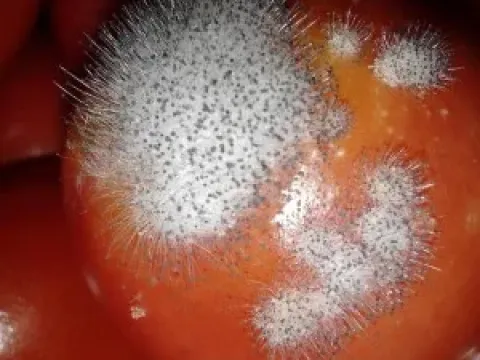
Rhizopus microsporus
Rhizopus microsporus
Rhizopus microsporus is a fungal species belonging to the kingdom Fungi, phylum Mucoromycota, and genus Rhizopus. It is a cosmopolitan soil fungus that acts both as a saprotroph and as a significant opportunistic plant pathogen.
What the section contains
Rhizopus microsporus
The fungus is characterized by the formation of dense, white-to-gray mycelium that rapidly colonizes substrates. It produces sporangiophores in groups, bearing dark sporangia filled with large numbers of small sporangiospores.
A distinctive biological trait of this fungus is its symbiotic relationship with Burkholderia bacteria. These endosymbionts produce the toxin rhizoxin, which significantly enhances the fungus's ability to infect and decay plant tissues.
This pathogen possesses high metabolic plasticity, allowing it to secrete a wide array of pectinases and cellulases. These enzymes quickly break down structural plant components, facilitating rapid colonization of the host.
The reproduction strategy is highly efficient, relying on the mass production of airborne spores. These spores can survive in extreme environments, ensuring the fungus persists in soil and storage facilities from one season to the next.
Rhizopus microsporus causes severe economic losses by inducing soft rots in a variety of fruits, vegetables, and field crops. Common hosts include tomatoes, strawberries, peaches, sweet potatoes, and various grain crops.
The damage is most severe post-harvest. The fungus penetrates the host through surface wounds or natural openings, leading to the rapid softening and liquefaction of tissues. Infected produce quickly turns into a mushy mass.
Beyond post-harvest losses, it can cause seedling blight and root rot in field conditions. In greenhouse environments, high humidity often leads to devastating outbreaks that can kill entire trays of seedlings within a few days.
The presence of this fungus renders the agricultural product unsalable due to the rapid development of fuzzy mold growth and the characteristic unpleasant odor associated with the decomposition process.
Additionally, the fungus can produce secondary metabolites that may contaminate the produce, reducing its quality and making it unfit for both human and animal consumption.
The development of Rhizopus microsporus is favored by warm and humid conditions. The optimal temperature range for its proliferation is generally between +25°C and +35°C, making it highly active during late spring and summer months.
In the field, high moisture levels following heavy rainfall or irrigation create ideal conditions for spore germination. The fungus spreads rapidly when humidity levels remain high for extended periods, preventing the surface of plants from drying.
Post-harvest storage seasons are critical periods for this pathogen. Poor ventilation in storage facilities combined with high moisture and warm ambient temperatures often trigger massive mold outbreaks.
Pest activity during the growing season directly correlates with infection rates. Insects that bite or puncture the skin of fruits and vegetables provide easy entry points for the pathogen to establish colonies.
Management strategies must be proactive, particularly as harvest approaches. Early identification and removal of infected items are essential to prevent the spread to adjacent healthy fruits in storage.
The first external sign of infection is the appearance of soft, water-soaked patches on the plant surface. These areas quickly enlarge and collapse as the internal tissues are broken down by fungal enzymes.
A hallmark sign is the development of a dense, dark-gray to black fuzzy mycelium, which gives the infected area a "cottony" appearance. This fuzzy growth is composed of thousands of developing sporangia.
Infected fruits and vegetables often release a distinctive acidic or fermented smell. This odor is a result of the rapid microbial degradation process occurring within the plant tissue.
For seedlings, the symptoms include wilting, stem discoloration, and eventual collapse of the seedling base. The entire plant may be enveloped in white-gray mold if the environment remains stagnant and damp.
- Water-soaked, soft lesions on produce.
- Dense, gray to black fuzzy mold growth.
- Rapid softening and loss of tissue structure.
- Characteristic sour fermentation odor.
Sanitation is the cornerstone of control. Keeping storage areas, tools, and packaging containers disinfected is critical to reducing the initial inoculum levels of the pathogen.
Effective post-harvest management includes lowering the temperature as quickly as possible and maintaining good airflow to keep humidity low. This inhibits the rapid growth cycle of the fungus.
Fungicides can be used as a protective measure for seeds and seedlings to prevent root rot and damping-off. Applications should follow local agricultural regulations and be timed correctly for maximum efficacy.
In the field, integrated pest management (IPM) is essential to minimize plant wounds caused by insects. Keeping the crop canopy open through proper spacing and pruning also improves air circulation and reduces humidity.
Removing and properly destroying infected plant debris is vital for breaking the disease cycle, as this material acts as a primary reservoir for the fungus to overwinter in the soil.