
Rhytidhysteron rufulum
Rhytidhysteron rufulum
Description
How to identify
Rhytidhysteron rufulum is a fungal species belonging to the class Dothideomycetes. It is commonly identified as a wood-inhabiting fungus, primarily acting as a saprobe or a weak opportunist parasite on stressed woody plants.
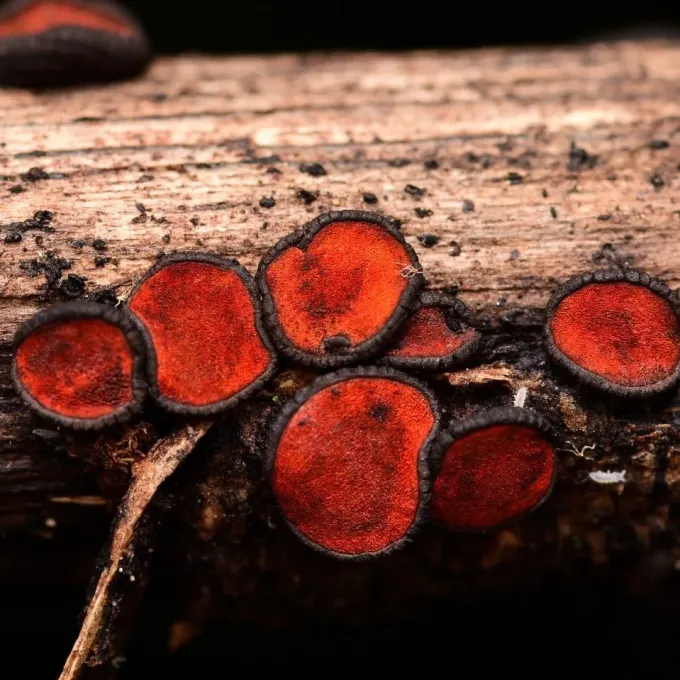
The fungus is characterized by the production of apothecia, which appear as elongated, slit-like fruiting bodies. These structures are black with a distinctive reddish-orange disk that becomes visible under moist conditions.
Microscopically, the species is recognized by its dark, septate spores, which help distinguish it from other members of the Patellariales order. The spores are typically released from the fruiting bodies and dispersed by air currents or water splashes.
It prefers colonizing dead or dying bark, breaking down complex organic compounds like lignin and cellulose through enzymatic activity, contributing to the decay process in natural forest ecosystems.
While often considered a secondary pathogen, its presence is a clear indicator of physiological stress in the host plant, prompting a need for closer inspection of the tree's overall health.
What it damages
Rhytidhysteron rufulum infects a broad array of woody hosts, including fruit trees, grapevines, and various ornamental species. It primarily attacks bark tissues following physical damage or environmental stress.
Sunscald, frost damage, and pruning wounds serve as primary entry points for the pathogen. Once inside, the fungal mycelium colonizes the cortical tissues and can progress to the cambium layer.
The primary damage includes bark necrosis, which interrupts the vascular system of the branches. This leads to wilting, branch dieback, and reduced overall vigor of the host plant.
In high-density orchards or nurseries, the presence of this fungus can lead to significant aesthetic and economic losses due to the premature death of branches or entire young trees.
The pathogen thrives in conditions where the host is unable to close wounds effectively, making rapid healing or protective covering of any woody injury essential for survival.
Signs of infestation
Signs of infection begin with localized discoloration of the bark, turning it grayish or dark brown. The affected area often becomes brittle and may start to crack as the fungus establishes its mycelial network.
Visible fruiting bodies (apothecia) appear on the surface of the infected bark. These small, lip-shaped structures are the hallmark sign of the infection, changing color and appearance based on humidity.
Internal symptoms include the darkening and necrosis of the underlying tissue beneath the bark. In many cases, if the bark is removed, the wood underneath shows clear signs of fungal colonization and decay.
Trees affected by the pathogen may display symptoms of general decline, such as chlorotic leaves, sparse foliage, or premature leaf senescence on the infected limbs.
In cases where the infection persists, the affected bark can peel off, exposing the dead sapwood, which may further invite secondary pests or wood-rotting fungi to colonize the tree.
Control measures
Effective management begins with strict sanitation practices. All dead or clearly infected branches should be pruned back to healthy wood and removed from the site to prevent spore dissemination.
Protective wound sealants or fungicidal pastes should be applied to all pruning cuts and accidental bark damage to prevent the fungus from entering the tree's vascular system.
Maintaining optimal tree vigor is crucial, as healthy trees have better defense mechanisms against opportunistic pathogens. This includes appropriate irrigation, fertilization, and site management.
Copper-based fungicides are effective when applied during the dormant season to reduce the spore load on the bark surface, acting as a preventative measure for the upcoming growing season.
Integrated pest management (IPM) is necessary to reduce damage from wood-boring insects. Since these insects create entry points for the fungus, controlling them is a key strategy for overall disease mitigation.
Causes diseases · 1
Discussion
No discussions yet — be the first.