
Rhizopus oryzae
Rhizopus oryzae
Rhizopus oryzae is a ubiquitous filamentous fungus belonging to the order Mucorales. Known as a common mold, it functions as both a saprotroph and an opportunistic plant pathogen capable of infecting a wide variety of host tissues.
What the section contains
Rhizopus oryzae
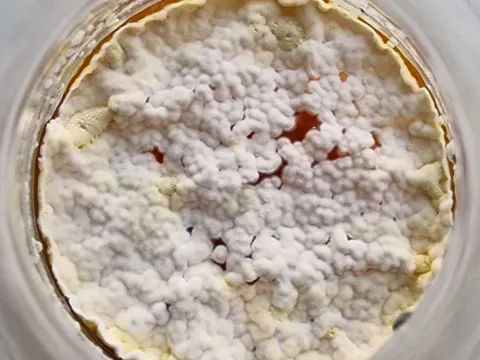
The fungus is characterized by the rapid development of a non-septate, white-to-grey mycelium that spreads quickly over the substrate. It produces large numbers of sporangia, which appear as tiny black pinheads at the tips of sporangiophores.
This pathogen thrives in warm and humid environments, with an optimal growth temperature range between 25°C and 35°C. Under these conditions, the fungal colony can colonize a susceptible host in less than 24 hours.
The reproduction cycle is highly efficient, involving both asexual and sexual spores. Asexual sporangiospores are wind-dispersed, allowing the fungus to colonize new fields or storage units with ease.
Because it is widespread in soil and organic debris, the fungus is considered a persistent threat in agricultural systems, particularly during periods of high humidity and heat stress.
Rhizopus oryzae causes extensive damage to various agricultural products, including rice, sunflower seeds, corn, and diverse horticultural crops such as strawberries and sweet potatoes.
In seeds and grains, it causes severe moldiness, which drastically reduces germination rates and compromises the vigor of the resulting seedlings. It is a major culprit in pre-emergence damping-off.
On fruits and vegetables, the pathogen causes soft rot. It secretes pectinolytic enzymes that rapidly dissolve the middle lamella of plant cell walls, turning firm tissue into a mushy, water-soaked mass.
Post-harvest losses are significant, as a single infected fruit can lead to the rapid decay of an entire container through contact transfer of spores and mycelial growth.
Beyond physical destruction, the fungus can produce secondary metabolites, including certain mycotoxins, which can render the infected material unsafe for consumption or animal feed.
The hallmark sign of Rhizopus oryzae infection is the rapid appearance of a white, coarse, cottony mycelium. This growth can engulf the surface of fruits, seeds, or stems in a very short time.
As the colony matures, the mycelium becomes dotted with black sporangia. These structures contain thousands of spores and give the infected area a distinct "peppered" appearance.
Affected plant tissues become soft, watery, and often lose their original shape. In advanced stages of rot, a distinct, slightly sweet or fermented odor may be detected near the infected site.
In seedlings, the stem at the soil line often becomes discolored, shriveled, and collapsed, leading to the characteristic "toppling" of the plant shortly after emergence.
Under microscopic examination, the absence of cross-walls (septa) in the hyphae is a diagnostic feature used to differentiate Rhizopus from other common fungal pathogens.
Integrated pest management is essential to control Rhizopus oryzae. Sanitation is the primary defense, which includes the removal and destruction of infected plant debris to minimize inoculum sources.
Controlling moisture levels is the most effective post-harvest strategy. Proper drying of grains and maintaining low humidity in storage environments effectively halts fungal development.
Chemical control involving seed treatments with systemic or contact fungicides can help protect seedlings during the critical stages of germination and early establishment.
In field production, providing adequate spacing between plants improves airflow and reduces humidity, creating conditions less favorable for the germination of fungal spores.
- Implementation of crop rotation to reduce soil-borne pathogen populations.
- Rapid cooling of fresh produce to slow down enzymatic activity and fungal growth.
- Use of certified, high-quality seeds to ensure uniform and vigorous emergence.