
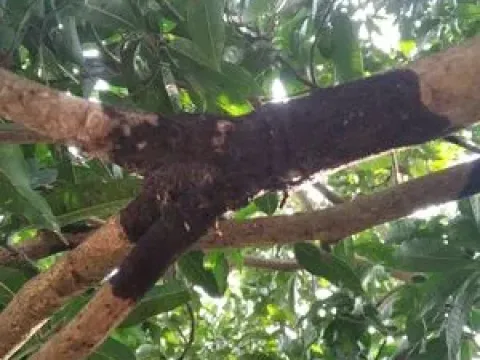
Rhinocladium corticum
Rhinocladium corticum
Rhinocladium corticum is a fungal pathogen belonging to the phylum Ascomycota. It is primarily identified as a fungus that colonizes the bark and woody tissues of various plant species, particularly trees and ornamental shrubs.
What the section contains
Rhinocladium corticum
Identification of this pathogen is typically achieved through microscopic examination of conidiophores and conidia. The genus Rhinocladium is characterized by specific knotted conidiophore structures, which serve as a diagnostic feature for laboratory confirmation.
When cultured on agar media, the fungus develops distinct colonies that exhibit a velvety or powdery surface texture. This cultural characteristic is essential for mycologists to isolate and identify the pathogen from infected samples.
The fungus is known for its ability to penetrate the host’s tissues using specialized enzymatic activity, which allows it to thrive within the intercellular spaces of the plant's bark and phloem layers.
As a pathogen that often remains in a vegetative state, its life cycle is heavily dependent on favorable environmental conditions and the availability of suitable host substrates to sustain its population.
The pathogen primarily affects woody ornamental plants and certain fruit trees. By colonizing the bark, it disrupts the normal physiological functions of the cambium, which is essential for tree growth and survival.
Infection by Rhinocladium corticum often leads to the development of cankers and necrotic lesions. These wounds can become points of entry for secondary pathogens, further compromising the plant's structure.
In nursery settings, the economic impact is significant. Affected seedlings often suffer from stunted growth or complete dieback, rendering them unsuitable for sale and leading to substantial production losses.
The pathogen interferes with the plant’s nutrient transport system. As the infection progresses, the foliage of affected branches may show signs of chlorosis, followed by premature leaf drop and the eventual death of the branch.
Over time, untreated infections can weaken the structural integrity of the plant, making it more susceptible to environmental stressors such as drought, frost, or insect infestations.
The primary symptom of infection is the appearance of dark, irregular patches on the bark. These patches may eventually crack or become depressed as the necrotic tissue begins to die.
In humid conditions, the pathogen may produce a visible, fine fungal growth or sporulation on the surface of the lesions. This appearance is a clear sign that the fungus is actively dispersing its spores.
If the bark is carefully peeled away at an infected site, one will often observe discolored, brownish tissues underneath. This necrosis is a direct result of the fungal colonization and destruction of the host tissue.
Early warning signs also include the wilting of leaves on individual twigs or branches, signaling that the supply of water and nutrients has been cut off by the lesion on the bark.
- Dark, discolored patches on the bark.
- Cankers and longitudinal bark cracking.
- Presence of sporulating fungal growth.
- Premature leaf drop and branch dieback.
- Necrotic tissue underneath the bark.
The most effective management strategy is the prompt removal and destruction of all infected plant material. Burning or deep burial of pruned branches prevents the further spread of spores within the area.
Sanitation of gardening tools is critical to prevent mechanical transmission of the fungus. All cutting implements must be thoroughly disinfected with appropriate solutions after every use on affected plants.
Chemical control involving copper-based fungicides can be effective for managing surface spores and protecting healthy tissues from potential infection during the growing season.
Maintaining high plant vigor through proper fertilization, irrigation, and avoiding physical damage to the bark significantly reduces the susceptibility of the plants to this pathogen.
Monitoring the orchard or nursery regularly is essential. Early detection allows for immediate intervention, which is much more effective than trying to manage advanced stages of the disease.