
Pea streak virus
Quail pea
Pea streak virus (PSV) is a plant pathogenic virus belonging to the Carlavirus genus within the Betaflexiviridae family. It is characterized by flexuous filamentous particles and is a significant threat to leguminous crops worldwide.
What the section contains
Pea streak virus
The virus primarily affects peas, beans, and various forage legumes like clover and alfalfa. These perennial legumes act as a crucial reservoir for the virus, allowing it to persist throughout the year before spreading to annual crops.
The economic impact is manifested in reduced grain yield, stunted plant growth, and a significant decrease in seed quality. Infected plants often exhibit reduced vigor, which makes them more susceptible to secondary fungal infections.
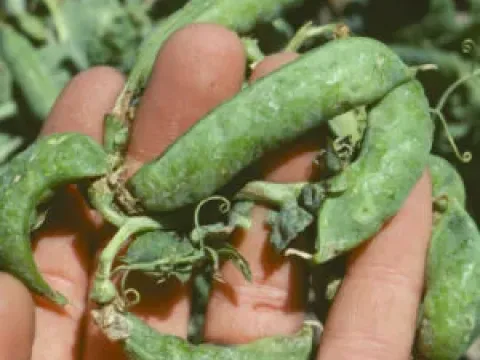
The most distinctive signs include dark necrotic streaks and stripes along the veins of leaves and stems. These symptoms often develop into a severe mosaic pattern with chlorotic spots and stunted apical growth.
Pod formation is frequently impaired, showing distortion and necrosis. Under favorable environmental conditions for the virus, the symptoms spread rapidly throughout the canopy, leading to premature yellowing and plant senescence.
Transmission occurs primarily through aphid vectors in a non-persistent manner. Managing aphid populations using targeted insecticide applications is the primary method to mitigate the spread within the field.
- Implement spatial isolation from perennial legume fields.
- Control weeds in and around the field to eliminate alternate hosts.
- Use certified virus-free seed stocks.
- Monitor early-stage crops for signs of aphid infestation.
Integrated pest management strategies are essential, as there are no direct chemical curative treatments for viral infections in plants. Prevention through host reduction and vector control remains the industry standard.