
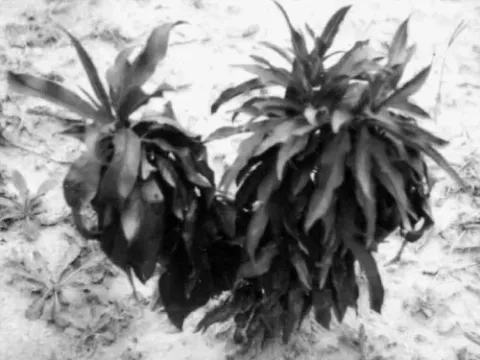
Peach rosette
Peach rosette
Peach rosette is a serious viral-like disease that severely affects stone fruit trees, particularly peaches, nectarines, and plums. The pathogen is systemic, moving through the vascular tissue and disrupting the hormonal and metabolic processes of the tree.
What the section contains
Peach rosette
The causative agent is often associated with phytoplasmas or specific viral complexes transmitted primarily through budding, grafting, and leafhopper insect vectors.
As a quarantine organism, it poses a major threat to agricultural stability. Without proper containment, it can quickly lead to the decline of entire commercial orchards.
Detection is difficult during the early stages of infection because the pathogen can remain latent in the rootstock for several seasons before symptoms emerge.
Modern diagnostics rely on molecular biology techniques, such as PCR and ELISA, to detect the presence of the pathogen in nursery stock before it reaches the orchard.
The disease is highly destructive, rendering infected trees non-productive within a few years. It causes a complete breakdown of normal tree growth and development.
Economic damage is significant as there is no cure, meaning that the only management strategy involves the total removal and destruction of the infected plants.
Affected trees become a reservoir for the pathogen, endangering surrounding healthy trees by providing a source for insect vectors to pick up the virus.
In nurseries, the presence of Peach rosette necessitates strict quarantine measures, resulting in the destruction of entire batches of nursery materials and potential financial losses.
Tree immunity is compromised, making infected specimens more susceptible to winter injury, drought, and secondary opportunistic fungal or bacterial infections.
The most prominent symptom is the formation of short, dense rosettes of foliage, which occurs due to the severe shortening of internodes on the current season's shoots.
Leaves on the affected shoots are often smaller than normal, thickened, and may show chlorosis or a distinct reddish discoloration, appearing bunched together.
Spring growth is significantly delayed, and the tree structure becomes distorted, often taking on a stunted, umbrella-like, or "witches' broom" appearance.
Fruit production is heavily impacted; the fruit that does form is usually small, misshapen, ripens prematurely, and often drops before reaching maturity.
- Development of dense leaf rosettes.
- Extreme shortening of internodes.
- Chlorotic or reddened leaf margins.
- Stunted tree height and distorted branching.
- Drastic reduction in crop quality and yield.
Biosecurity is the primary defense. Orchardists must only use certified virus-free rootstocks and scion wood obtained from reliable, inspected nursery sources.
Immediate eradication is necessary; as soon as a tree is identified as having Peach rosette, it must be uprooted, including the roots, and burned to kill the vector and pathogen reservoirs.
Control of insect vectors, particularly leafhoppers, is essential. Regular applications of insecticides during peak insect activity can reduce the rate of new infections.
Sanitation of pruning tools is a critical control measure. Disinfecting blades with alcohol or bleach after every single tree prevents the mechanical transfer of the virus through contaminated sap.
Regular orchard monitoring is vital. Scouting for symptoms during the spring and early summer allows for early intervention, which is key to preventing the spread to healthy sections of the orchard.