
Peach scab
Venturia carpophilia
Description
How to identify
Peach scab is caused by the fungus Venturia carpophilia (anamorph: Cladosporium carpophilum). This pathogen specifically targets stone fruit species belonging to the Prunus genus.
The fungus overwinters primarily as mycelium in lesions on twigs and branches. As temperatures rise in spring, it produces spores that are spread by rain and wind.
It is classified as an ascomycete fungus. Its life cycle relies on high humidity for the germination of conidia, which penetrate the surface of developing fruit and young shoots.
The fungus develops in the cuticle of the host, meaning the infection is restricted to the outer tissues of the fruit, causing characteristic surface blemishes.
Multiple cycles of spore production occur throughout the summer, allowing the disease to spread rapidly within an orchard if environmental conditions are favorable.
What it damages
This pathogen significantly affects peaches, nectarines, apricots, and plums, with peaches being the most susceptible and commercially impacted crop.
The primary damage is to the fruit skin, which results in unsightly dark lesions that render the produce unfit for commercial fresh-market sale.
In addition to fruit damage, the fungus causes lesions on twigs, which can eventually crack and provide entry points for other opportunistic pathogens.
Severe infections lead to fruit deformation and cracking, which drastically reduces the market value and storage life of the harvested fruit.
Trees stressed by the infection may show reduced vigor, and chronic infections on twigs can cause dieback, affecting the long-term productivity of the orchard.
When it appears
The primary infection window occurs in the spring, during the period of fruit set and early development when tissues are most susceptible.
The disease thrives during warm, humid weather conditions, particularly during wet springs and summers where rainfall is frequent.
High humidity, combined with dew or frequent light rains, facilitates the production and dissemination of spores throughout the tree canopy.
The progression of the disease is most rapid during the mid-summer months when temperatures are consistently warm and moisture is sufficient.
As autumn approaches and temperatures drop, the fungus enters a dormant phase, concentrating its activity in the bark tissues to survive the winter.
Signs of infestation
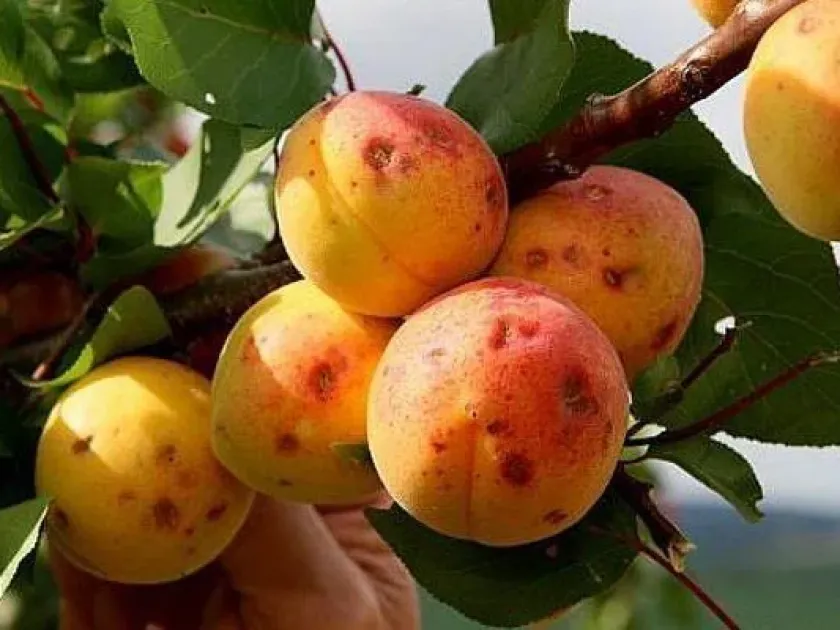
The most visible sign of infection is the appearance of small, round, olive-green to black spots on the surface of the fruit.
These spots often coalesce, forming larger, velvety, dark areas where the fungal spores are actively produced.
- Fruit cracking at the site of infection is common as the damaged skin loses its elasticity.
- Stunted development of the fruit skin where the spots are located.
- Small, elliptical, brown lesions on young shoots that may become slightly raised over time.
- Premature leaf drop in severe cases, which further weakens the tree's overall health.
- Reduced aesthetic quality of the fruit, making them appear unappealing to consumers.
The spots are superficial, but their impact on the fruit growth makes the affected areas hard and dry, often leading to secondary rot.
Early identification is difficult because the initial spots can be very small, but they become more apparent as the fruit expands during the season.
Control measures
Cultural practices, such as proper pruning, are essential to improve airflow and reduce humidity within the tree canopy, which limits fungal growth.
Sanitation is critical; removing infected twigs during dormant pruning and clearing fallen fruit from the orchard floor helps reduce inoculum levels.
Chemical control involving the application of protective fungicides is the standard method for managing peach scab in commercial orchards.
Applications should begin early in the season, typically starting at the pink bud stage, and continue through the fruit development period based on weather.
Selecting resistant cultivars can significantly lower the need for intensive fungicide programs and improve the sustainability of the fruit production system.
Causes diseases · 1
Discussion
No discussions yet — be the first.