
Peach mosaic
Peach mosaic
Peach mosaic is a viral disease caused by the Peach mosaic virus (PMV). This pathogen is classified within the Ilarvirus genus (or sometimes Trichovirus), belonging to the Bromoviridae family.
What the section contains
Peach mosaic
The virus consists of single-stranded RNA and systemically infects the plant's vascular tissue. It persists throughout the life of the infected tree, making it a chronic and long-term problem for fruit growers.
In natural conditions, the virus is primarily transmitted by microscopic eriophyid mites, specifically Eriophyes insidiosus. Transmission can also occur during grafting or budding using infected scion wood.
Peach mosaic virus does not spread via seeds or through mechanical contact during routine orchard operations. The main source of infection is existing infected trees in the orchard or neighboring areas.
Identification in the field is challenging as symptoms may mimic nutrient deficiencies. Confirmation of the disease usually requires diagnostic laboratory techniques such as ELISA or PCR.
The primary host is the peach (Prunus persica), but the virus can also affect nectarine, apricot, and plum trees. Infections cause significant economic losses in commercial fruit production.
The virus moves systemically throughout the plant, disrupting metabolic processes and photosynthesis. This leads to weakened trees with reduced cold hardiness and lower overall vigor.
The damage extends to fruit quality, which is severely compromised. Infected trees produce smaller, deformed, and unmarketable fruit, leading to substantial losses for the grower.
Severely infected trees often stop producing fruit altogether after a few years. This leads to the early decline of the orchard and necessitates the removal of affected trees.
The economic impact is multifaceted, involving lost yields, the cost of tree removal and replacement, and reduced marketability of the remaining harvest from affected orchards.
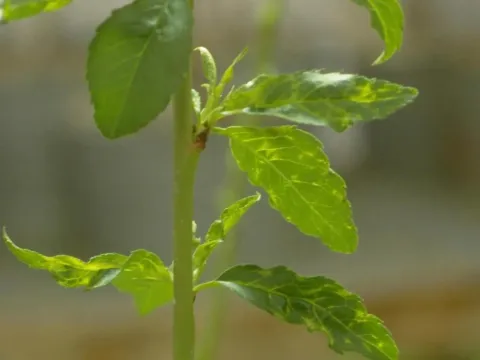
Initial symptoms are usually observed on young foliage in early spring. The leaves exhibit characteristic chlorotic spots, streaks, or mosaic patterns that stand out against healthy tissue.
Leaf blades are often crinkled or deformed. The margins may appear ragged or uneven, which serves as a reliable visual indicator for identifying the presence of the pathogen.
Blossoms on infected trees may occasionally show color-breaking symptoms on the petals. During fruit development, the skin often displays dimpling, bumpy textures, and irregular patterns.
Some peach varieties exhibit significantly shortened internodes, leading to a stunted or bushy growth habit, sometimes referred to as a "witches' broom" appearance.
- Chlorotic mosaic patterns on foliage.
- Leaf distortion and crinkling.
- Dimpled and bumpy fruit surfaces.
- Shortened internodes and bushy growth.
There are no known chemical or biological treatments to cure a virus-infected tree. Disease management relies entirely on prevention and stringent sanitary practices.
Once a tree is confirmed to have peach mosaic, it must be removed, including the root system, and destroyed immediately to prevent further spread of the virus to healthy trees.
The use of certified virus-free planting material is the most important defense strategy. Always source new trees from reputable nurseries that practice rigorous indexing.
Controlling mite populations is essential, as they act as the primary vectors for the virus. Regular application of acaricides can help reduce the rate of viral transmission within the orchard.
Sterilizing pruning tools between trees is a critical hygiene measure, especially in nursery operations, to prevent mechanical transmission during routine maintenance.