
Peanut stunt virus
Peanut stunt
Peanut stunt virus (PSV) is a plant pathogen belonging to the genus Cucumovirus and the family Bromoviridae. It is characterized by a tripartite single-stranded RNA genome.
What the section contains
Peanut stunt virus
The primary mode of transmission in the field is through various aphid species, most notably the cowpea aphid (Aphis craccivora), in a non-persistent manner.
In addition to aphid vectors, the virus can be spread mechanically, and there is evidence of low-level seed transmission in certain host plants, which facilitates its spread.
The virus particles are small, isometric, and exhibit high stability in environmental conditions, allowing them to persist in weed reservoirs between growing seasons.
Diagnosis in commercial agricultural settings usually involves ELISA (Enzyme-Linked Immunosorbent Assay) or RT-PCR to detect the presence of specific viral proteins or genetic material.
The virus primarily affects peanut (Arachis hypogaea) crops, leading to significant stunted growth and reduction in both pod yield and quality.
It also infects a wide range of other leguminous crops, including beans, soybeans, white clover, and several ornamental species that act as perennial hosts.
The impact on yield is cumulative, as the infection affects the photosynthetic capacity of the foliage and the proper development of the fruit (pods).
Infected seeds from peanut plants often show reduced germination rates and reduced vigor, which directly impacts the establishment of subsequent crops.
Economic losses are severe when primary infection occurs early in the season, preventing the plant from reaching its full physiological potential.
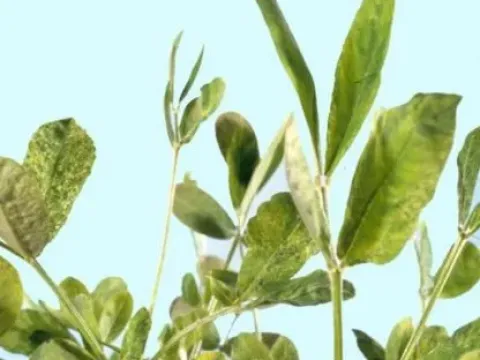
Early symptoms typically include mosaic patterns and chlorosis on the young, developing leaves, often appearing shortly after initial aphid infestation.
The hallmark of the disease is the severe stunting of the plant caused by significantly shortened internodes, giving the plant a "stunted" or bushy appearance.
Leaf tissues often display crinkling, cupping, or deformation, accompanied by a mottled appearance that ranges from light green to yellow hues.
Reproductive growth is compromised, resulting in malformed pods and shriveled or smaller seeds, which lowers the overall market value of the crop.
- Significant plant stunting.
- Mosaic and mottled leaf patterns.
- Deformed pods and small seeds.
- Shortening of internodes.
- General plant chlorosis.
The deployment of resistant or tolerant peanut cultivars remains the most sustainable and effective strategy for managing the impact of the virus.
Spatial and temporal isolation of peanut fields from clover and other perennial legumes is crucial to minimize the migration of infected aphid populations.
Effective weed control is necessary to eliminate alternative hosts that serve as bridges for the virus to persist from one growing season to the next.
Insecticidal management of aphid populations can reduce the spread of the virus if applied at the correct time, specifically targeting early-season migration.
Sourcing high-quality, certified, and virus-free seed is essential to prevent the introduction of the pathogen into clean fields at the start of the season.