
Peanut mottle
Peanut mottle
Description
How to identify
Peanut mottle virus (PeMoV) is a plant pathogen classified within the genus Potyvirus. It is a major viral disease affecting legumes across many tropical and temperate regions.
The virus consists of flexuous rod-shaped particles containing a single-stranded RNA genome. It relies entirely on its host plants for replication and survival in the environment.
It is primarily seed-borne, meaning the virus can be transmitted through infected peanut seeds, facilitating its spread to new areas and subsequent growing seasons.
Laboratory diagnosis is essential for confirming the presence of PeMoV, with ELISA and RT-PCR being the standard methods for identifying the viral protein or genetic material.
Besides seeds, the virus is easily transmitted mechanically through farm equipment or handled by workers, as well as by various aphid species that act as effective vectors.
What it damages
The primary host of PeMoV is the cultivated peanut (Arachis hypogaea), but it also impacts other leguminous crops such as soybeans, beans, and peas.
The disease causes systemic infection, which hinders metabolic processes, reduces photosynthetic efficiency, and leads to severe stunting of the plant.
The economic impact is characterized by significant reductions in nut yield, decreased seed viability, and poor quality of the harvested produce.
Infected crops often show reduced pod filling, which directly affects the weight and marketability of the peanuts harvested for food or processing industries.
Early-season infections are particularly destructive, potentially causing high percentages of yield loss across commercial fields if management practices are neglected.
Signs of infestation
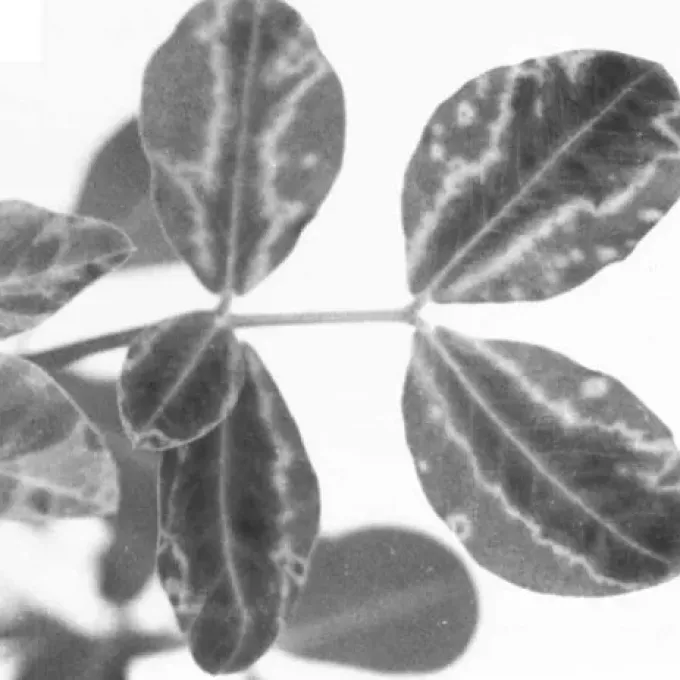
Symptoms typically include a mosaic pattern on leaves, manifesting as dark green and light green mottling that appears along the leaf veins.
Leaves may exhibit chlorosis, curling, and distortion, particularly in younger foliage, reflecting the systemic nature of the viral infection.
Stunting of the entire plant is common, with shortened internodes giving the plants a bushy or compact appearance compared to healthy, vigorous plants.
While some peanut varieties may be tolerant and show mild symptoms, others may display severe discoloration, reduced leaf size, and overall plant decline.
Pod characteristics may also change, with some infected plants producing smaller, misshapen nuts that are undesirable for both farmers and consumers.
Control measures
The most effective strategy is the use of healthy, virus-free certified seeds to prevent the introduction of the pathogen into new planting areas.
Implementing regular field inspections and roguing (removing) infected plants early in the season can significantly reduce the reservoir of the virus.
Managing aphid populations through timely applications of insecticides helps to minimize the spread of the virus within and between neighboring fields.
Maintaining proper field sanitation, including the control of weeds that may serve as alternative hosts, is crucial for preventing the persistence of the virus.
Breeding and utilizing resistant or tolerant peanut cultivars provides the most sustainable long-term solution for protecting crops against Peanut mottle virus.
Causes diseases · 1
Discussion
No discussions yet — be the first.