
Pelargonium ring pattern virus
Pelargonium ring
Description
How to identify
Pelargonium ring pattern virus (PRPV) is a plant-pathogenic virus belonging to the genus Pelarspovirus within the family Tombusviridae. Its structure consists of small icosahedral particles containing a single-stranded RNA genome.
This virus primarily infects Pelargonium species, causing systemic infections that persist throughout the plant's life. It can often remain latent under favorable growing conditions, showing no immediate symptoms.
The virus is mainly transmitted via vegetative propagation. Infected cuttings from mother plants serve as the primary source of the spread, making the pathogen difficult to control in commercial propagation settings.
Mechanical transmission occurs through contaminated tools during pruning or pinching. If a blade used on an infected plant is not disinfected, it can spread the viral particles to every subsequent healthy plant it touches.
Diagnosis in the field is difficult due to the similarity of symptoms to other physiological disorders. Laboratory confirmation using ELISA or RT-PCR is the only way to accurately detect the presence of the virus in asymptomatic tissue.
What it damages
The host range is predominantly limited to various Pelargonium cultivars, which are economically significant decorative plants worldwide. Infections significantly reduce the aesthetic and market value of these crops.
By interfering with the plant's metabolic processes and nutrient transport, the virus stunts overall development. Affected plants suffer from reduced vigor, making them less competitive and more prone to environmental stresses.
Some weed species found near greenhouses can act as alternative hosts, sheltering the virus during the off-season. This makes the elimination of nearby vegetation a critical part of a successful management strategy.
The economic impact of this virus includes the loss of large quantities of mother stock and the necessity to destroy entire production batches, which can threaten the viability of a nursery.
Secondary infections often exacerbate the damage, as plants weakened by the virus become highly susceptible to opportunistic fungal and bacterial pathogens, leading to total plant collapse.
Signs of infestation
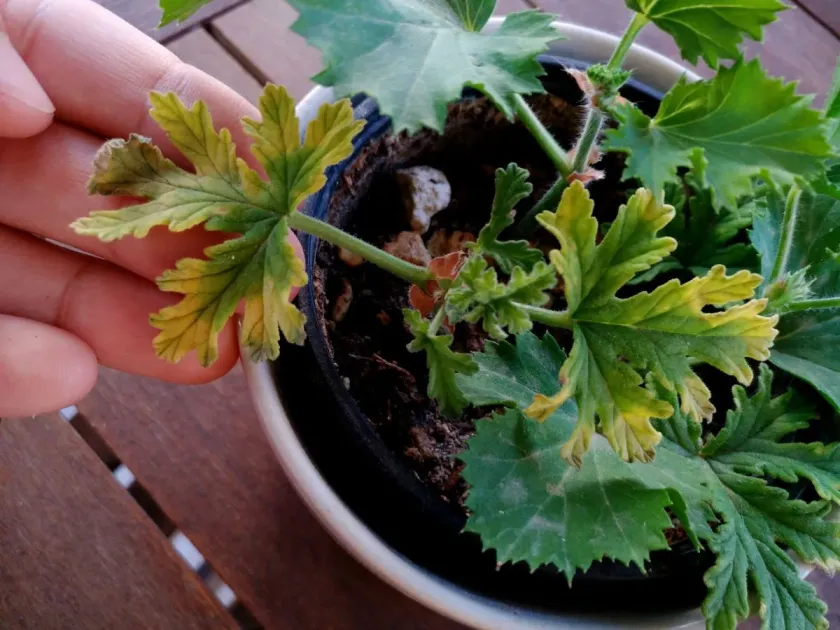
The most distinctive sign is the development of ring-shaped spots on the leaves. These spots can appear as chlorotic rings or, in advanced stages, as necrotic patterns that distort the foliage.
Leaf deformity is a hallmark of the infection. The leaves often become crinkled, asymmetric, or show stunted growth, giving the plant a bushy and abnormal appearance compared to healthy specimens.
Stunted growth, or "dwarfing," is highly common. The internodes are significantly shorter than normal, causing the entire plant to look compacted and weak, which negatively impacts its market presentation.
Flowering is severely restricted. Plants infected with the virus often produce smaller, fewer, or no blooms at all, significantly reducing their ornamental appeal during the flowering season.
- chlorotic or necrotic ring patterns on leaves;
- leaf curling and deformation;
- severe stunting and shortened internodes;
- significant reduction in flower production;
- mosaic patterns on older foliage.
Control measures
The primary control measure is the exclusive use of virus-free planting material. Growers should source cuttings only from reputable suppliers that employ meristem-tip culture to eliminate the virus.
Rigorous sanitation is vital. Pruning tools must be disinfected between every single plant using a 70% ethanol solution or a commercial disinfectant specifically labeled for viral inactivation.
Maintain a strict rogueing policy. Any plant showing suspicious symptoms should be immediately isolated and removed from the production area to prevent further spread of the pathogen by touch.
Implement comprehensive weed control in and around greenhouse facilities. Eliminating host weeds reduces the risk of the virus being reintroduced into the growing environment by accident or via rare vector activity.
Good greenhouse management, including maintaining optimal humidity and temperature levels, helps plants cope with stress, though it does not cure the viral infection once established.
Causes diseases · 2
Discussion
No discussions yet — be the first.