
Pelargonium
Pelargonium flower
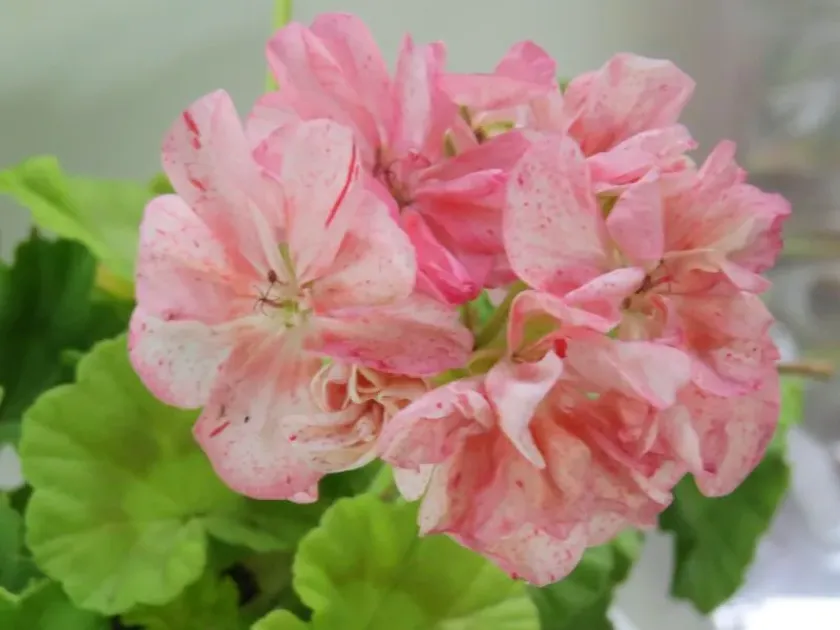
Description
How to identify
Pelargonium is a genus of plants within the Geraniaceae family that is frequently affected by various phytopathogens.
A primary fungal pathogen of this plant is Puccinia pelargonii-zonalis, which is responsible for the destructive geranium rust.
Other significant pathogens include Botrytis cinerea, causing grey mold, and various viruses that affect plant development.
Accurate identification of these pathogens requires monitoring for visual abnormalities on leaves, stems, and blossoms.
Professional diagnosis often involves checking the underside of leaves for spore formations characteristic of fungal infections.
What it damages
The damage caused by these pathogens ranges from minor cosmetic issues to the total loss of the plant due to systemic infection.
Rust disease destroys leaf tissue, significantly reducing the plant's ability to perform photosynthesis and hindering growth.
Grey mold causes rapid rotting of flower heads and stems, especially in environments with high humidity and stagnant air.
Root rots lead to the collapse of vascular systems, causing the plant to wilt suddenly and inevitably die if left untreated.
Viral pathogens cause irreversible systemic damage, resulting in distorted growth and decreased flowering performance.
When it appears
Disease prevalence peaks during periods of high humidity and poor ventilation, often found in overcrowded greenhouses.
Spring propagation is a critical period where pathogens can be spread easily via contaminated cuttings or unsterilized tools.
Summer conditions with excessive heat combined with moisture on foliage create an ideal environment for spore dissemination.
Autumn brings temperature fluctuations that can cause condensation on plant surfaces, promoting fungal development.
Winter dormancy, if coupled with low light and overwatering, provides a window for root-borne pathogens to thrive.
Signs of infestation
Geranium rust appears as circular, brown, or rusty-red spots on the underside of leaves that release dust-like spores.
Grey mold manifests as a fuzzy, greyish-brown layer covering buds, flowers, and wounded tissue on stems.
Root and stem rot can be identified by the darkening and softening of the base of the stem and yellowing of foliage.
Viruses often present as leaf mottling, ringspots, or severe stunting of new growth compared to healthy plants.
- Rust-colored pustules
- Grey fungal mycelium
- Soft stem base
- Leaf yellowing and wilting
Control measures
Effective management begins with proper cultural practices, including consistent airflow and precise watering habits.
Application of fungicides containing copper or systemic active ingredients can help prevent and treat fungal infections.
Sanitation is paramount; remove all infected plant debris immediately to prevent the buildup of inoculum.
Ensure that all pruning tools are sterilized between plants to stop the horizontal transmission of pathogens.
Maintaining optimal plant spacing helps reduce humidity levels around the foliage, significantly lowering disease risk.
Causes diseases · 1
Discussion
No discussions yet — be the first.