
Macrophomina phaseoli
Macrophomina phaseoli
Macrophomina phaseoli is a soil-borne fungal pathogen known for causing charcoal rot in a wide range of economically important crops. It belongs to the Ascomycota division and is characterized by its ability to survive in harsh soil environments.
What the section contains
Macrophomina phaseoli
The fungus produces numerous tiny, black, carbon-like structures known as microsclerotia. These structures are the primary survival mechanism for the pathogen, allowing it to persist in the soil for several years.
The pathogen's mycelium invades the vascular system of the host plant, effectively plugging the xylem and disrupting the flow of water and essential nutrients throughout the plant tissues.
Genetic analysis identifies this pathogen as highly versatile, capable of infecting hundreds of plant species under favorable conditions, which usually involve heat and drought stress.
Laboratory identification often involves placing infected tissue on selective growth media, which encourages the formation of the distinctive black microsclerotia typical of Macrophomina phaseoli.
Charcoal rot affects a vast range of crops, with sunflowers, soybeans, corn, and beans being among the most susceptible. The disease causes significant economic loss globally.
The damage is most pronounced in the roots and the lower stems of plants. Infected plants often show stunted growth, premature yellowing, and eventually total collapse as the tissue dies.
In seed-producing crops, the pathogen causes poor pod development and reduced seed quality. Seed weight can drop significantly, impacting the overall market value of the harvest.
The toxins released by the fungus cause systemic stress to the host, leading to rapid senescence and increased vulnerability to secondary infections and lodging.
Yield losses can range from 30% to 80% depending on environmental stressors. Because the pathogen is soil-borne, it can lead to long-term contamination of agricultural fields.
The development of Macrophomina phaseoli is strictly favored by high soil temperatures, typically ranging from 28°C to 35°C, coupled with low soil moisture levels.
Infection cycles usually begin at the seedling stage, but the disease symptoms remain latent until the plant enters the reproductive phase, when it becomes more susceptible to stress.
Outbreaks are most severe during hot and dry growing seasons. Drought stress acts as a critical factor that suppresses plant immunity, allowing the fungus to colonize rapidly.
As the growing season ends, the fungus shifts its focus to saprophytic survival, producing a new generation of microsclerotia on the necrotic residues of the host plants.
These microsclerotia remain dormant throughout the winter and become the primary inoculum for the next crop season, completing the lifecycle in the soil.
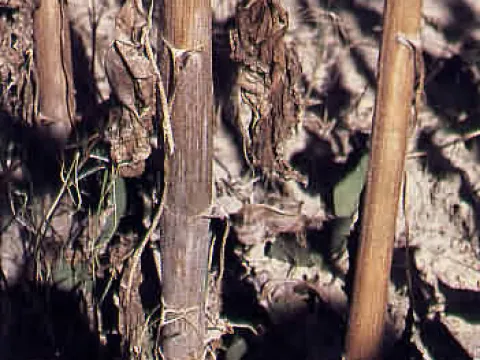
Initial symptoms include wilting of leaves during the hottest hours of the day. As the disease progresses, these leaves turn yellow, then brown, and stay attached to the stem.
The lower stem and taproot show a characteristic greyish-black discoloration. Upon closer inspection, the epidermis may be peeled back to reveal the black, dust-like microsclerotia.
The vascular bundles of the plant appear darkened or blackened due to the mass accumulation of fungal mycelium. This gives the stem a "charcoal-like" appearance internally.
Affected plants often reach maturity much earlier than healthy ones, a process known as premature death, leading to light and shriveled seeds in the head or pods.
- Dark lesions at the root collar
- Internal blackening of stem tissues
- Premature yellowing and drying of foliage
- Lodging of mature plants
Crop rotation is the most effective management strategy. Planting non-host crops like wheat or other small grains for several years can significantly reduce the soil inoculum level.
Deep plowing or tillage practices that bury plant residues can accelerate their decomposition, helping to decrease the number of viable microsclerotia in the topsoil.
Seed treatments with systemic fungicides are essential to protect the vulnerable seedling stage from initial infection when environmental conditions are risky.
Maintaining adequate soil moisture through supplemental irrigation during the hottest periods of plant growth can mitigate drought stress and reduce the pathogen's infection rate.
Integrated pest management, including the use of resistant hybrids and bio-control agents like Trichoderma species, offers a sustainable way to suppress the disease development.