
Low-temperature stress
Cold
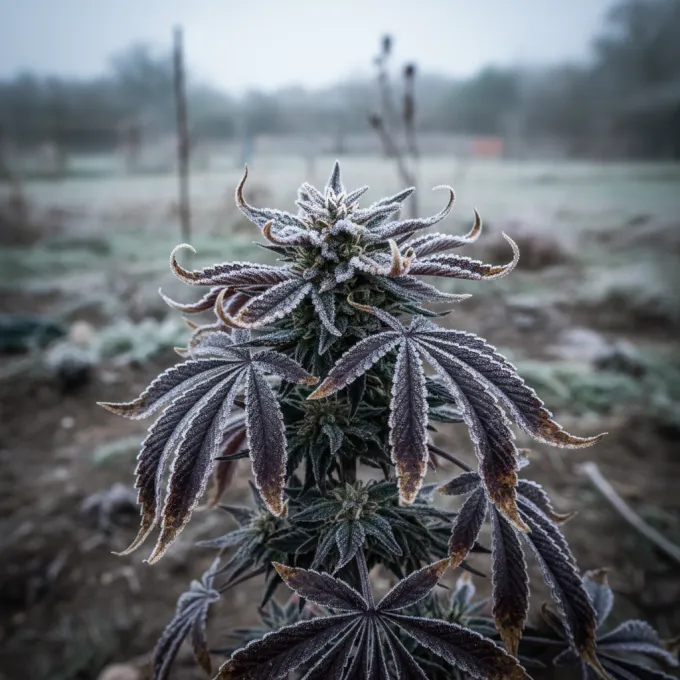
Description
How to identify
Low-temperature stress is an abiotic factor that causes structural and metabolic damage to plant tissues. It is considered a physiological disorder rather than a biological pathogen, but it creates favorable conditions for secondary infections.
At the cellular level, cold stress disrupts the fluidity of plasma membranes and inhibits the activity of key enzymes. This leads to a loss of cell integrity and an accumulation of reactive oxygen species (ROS), which damage cellular components.
Plant sensitivity to cold varies significantly between species. While cold-hardy plants have evolved adaptive mechanisms, such as membrane modification, sensitive species suffer from irreversible chilling injury even at temperatures above freezing.
The damage is divided into two categories: chilling injury occurring at temperatures above the freezing point, and freezing injury, which involves the formation of ice crystals within the plant’s apoplast or symplast.
This stress limits the plant's ability to maintain water homeostasis, as cold roots have reduced permeability, often leading to physiological drought despite sufficient soil moisture.
What it damages
Almost all commercial crops are susceptible to cold stress. Maize, tomatoes, and other heat-loving plants are particularly vulnerable during early growth stages, showing chlorosis and arrested development.
For fruit trees, spring frosts are devastating because they target flowers and young fruits, which are highly hydrated and lack the protective mechanisms found in dormant buds.
Winter wheat and other cereals suffer from cold-induced damage to the crown, especially in regions with fluctuating winter temperatures and poor snow cover, which increases the risk of plant death.
Vegetables such as leafy greens may show aesthetic damage, but their physiological quality and shelf life are significantly reduced due to the breakdown of cell walls.
In greenhouses, cold stress can cause a complete crop failure if the environmental control systems fail, leading to massive necrosis and subsequent fungal outbreaks.
When it appears
The stress occurs primarily during the transitional seasons—spring and autumn—when plants are transitioning between vegetative and reproductive stages or dormancy and growth.
In winter, plants face the risk of cold stress during thaw periods followed by rapid drops in temperature, which can re-hydrate dormant tissues and make them vulnerable to ice formation.
The duration of the cold event is a critical factor; short-term exposure may only slow metabolic rates, while prolonged exposure leads to cell rupture and tissue death.
Unseasonable summer cold fronts can disrupt grain filling in crops like rice and wheat, leading to reduced test weight and overall grain quality.
Temperature fluctuations at night are especially dangerous, as the plant does not have time to recover before the next cycle of cold stress begins the following night.
Signs of infestation
Visible signs include yellowing, browning, or a bronze-like appearance of leaves, often accompanied by necrotic spots where the cell structure has completely collapsed.
The affected parts of the plant may appear water-soaked shortly after freezing, eventually turning into a mushy, dark mass as opportunistic pathogens take advantage of the weakened defenses.
Growth stunting is a common sign, as the plant redirects energy from growth towards stress-response proteins rather than biomass accumulation.
Flowers and fruit buds may wither and drop prematurely, indicating a failure of the plant to sustain its reproductive efforts under extreme thermal conditions.
- Wilting despite moist soil conditions.
- Leaf curling and deformation.
- Surface cracking on stems and branches.
- Necrotic lesions on leaf margins.
- Overall loss of photosynthetic pigment (chlorosis).
Control measures
Selecting climate-adapted, frost-resistant varieties is the most effective long-term strategy for minimizing losses caused by cold stress.
Using agricultural fabrics, mulching, or greenhouse heating systems provides a physical barrier that helps maintain a stable microclimate around the crop.
The application of bio-stimulants, particularly those rich in amino acids and seaweed extracts, helps plants recover quickly by improving membrane stability and antioxidant activity.
Implementing proper nutritional programs—specifically focusing on potassium—helps increase the solute concentration in cells, which naturally lowers the freezing point of the cytoplasm.
Proper irrigation management during cold events can mitigate some effects by taking advantage of the latent heat of water, provided that the timing is handled precisely to avoid over-saturation.
Causes diseases · 1
Discussion
No discussions yet — be the first.