
Macrophoma
Macrophoma
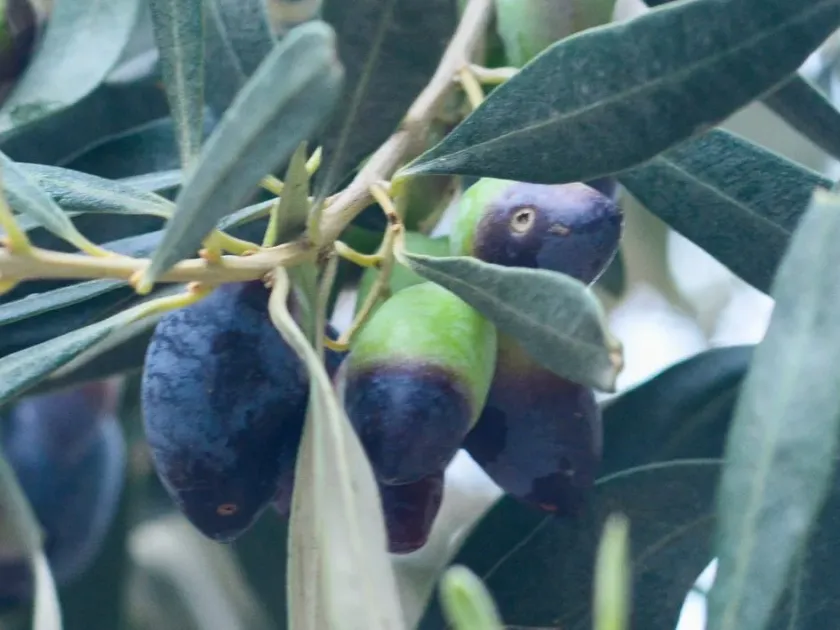
Description
How to identify
Macrophoma is a genus of fungi belonging to the Sphaeropsidales order. These pathogens are classified as deuteromycetes (imperfect fungi) that typically produce pycnidia, which are specialized asexual fruiting structures containing conidia.
The morphological identification of the genus relies on observing large, usually hyaline conidia formed within black, immersed pycnidia. These structures allow the fungus to endure unfavorable conditions and remain protected within the host tissue.
Systematically, Macrophoma species are often complex to classify because their morphology is similar to other related genera like Phoma. Reliable identification often requires microscopic evaluation of pycnidia and conidia dimensions.
As a pathogen, it functions by penetrating plant surfaces, often exploiting physiological weaknesses or mechanical wounds. Once inside, the fungal mycelium colonizes the vascular system and parenchyma, causing localized cell death.
The biology of these fungi is highly adaptive, allowing them to exist in both parasitic phases on living plants and saprotrophic phases on decaying plant debris, ensuring survival throughout the year.
What it damages
Macrophoma species infect a diverse range of hosts, including woody fruit trees, citrus, various ornamental shrubs, and some industrial crops. The damage is often significant in high-density cultivation areas.
The fungus causes necrotic lesions, blights on shoots and branches, and significant fruit rot. The reduction in the photosynthetic area of leaves leads to overall plant starvation and stunted growth.
Infected fruit often suffers from wet rot, rendering the crop commercially worthless. Furthermore, infection of young seedlings in nurseries can lead to total crop loss, resulting in significant economic pressure.
The infection compromises the plant's structural integrity, making it susceptible to secondary invaders such as opportunistic bacteria or wood-boring insects, further accelerating the decline.
Long-term infestation reduces the plant’s vigor and winter hardiness. As a result, affected plants may suffer from severe frost damage during winter, which would not affect healthy specimens.
When it appears
The life cycle of Macrophoma is primarily driven by moisture and temperature. In early spring, spores (conidia) are released from pycnidia that survived the winter on infected plant parts or debris.
Rain splashes and wind act as the primary vectors for distributing conidia to healthy leaves and stems. Once they land on a suitable host, they require high humidity to germinate and penetrate the epidermis.
The infection rate peaks during mid-summer, especially when warm, rainy weather prevails. Rapid secondary cycles can occur throughout the growing season if environmental conditions remain favorable.
During dry summer periods, the fungus remains latent within the host tissue, only to resume activity when autumn rains return. This ensures the pathogen is well-prepared for the upcoming winter.
The pathogen completes its cycle by forming new, thick-walled pycnidia in autumn, which serve as the primary source of the overwintering inoculum for the next year's cycle.
Signs of infestation
The first signs of infection are typically small, irregular spots on leaves or young bark. These spots gradually expand and change color from light green to dark brown or grayish-black.
Small, pinhead-sized black dots appear on the surface of these necrotic spots. These are the developing pycnidia, which eventually rupture the plant's epidermis to release spores.
On woody stems, the infection manifests as sunken lesions or bark cracking. In some stone fruit species, the tree may respond by producing gum (gummosis) as an attempt to compartmentalize the infection.
Fruit shows soft, depressed spots that quickly spread, often resulting in complete degradation of the fruit pulp. The decayed tissue may emit a distinct, often unpleasant odor.
Under magnification, the presence of these black fruiting bodies is the most reliable sign confirming a Macrophoma infection compared to physiological or abiotic disorders.
Control measures
- Implement strict sanitary pruning to remove and destroy all symptomatic branches.
- Collect and burn or deeply bury fallen leaves and debris to remove primary inoculum.
- Apply copper-based or systemic fungicides in early spring as a preventive measure.
- Improve orchard or nursery airflow through proper canopy management and thinning.
- Maintain optimal soil moisture and nutrient balance to ensure plant vigor.
Integrated pest management (IPM) is essential to control Macrophoma. This includes monitoring for insect damage, as holes serve as entry points for the fungal spores.
Choosing resistant cultivars is the most effective long-term strategy for minimizing disease impact, particularly in regions where the fungus is known to be endemic.
Regular disinfection of pruning tools is critical, as contaminated tools can easily spread the pathogen from an infected tree to healthy individuals throughout the plantation.
Protective sprays should be applied at key growth stages, such as bud break and following heavy rainfall events, to prevent the establishment of the fungus on young, susceptible tissues.
Causes diseases · 2
Discussion
No discussions yet — be the first.