
Lettuce necrotic stunt virus
Lettuce necrotic
Lettuce necrotic stunt virus (LNSV) is a plant virus belonging to the genus Ilarvirus. It is recognized as a significant threat to commercial lettuce production worldwide.
What the section contains
Lettuce necrotic stunt virus
The virus is a single-stranded RNA virus. It is primarily transmitted by insect vectors such as aphids, which move the virus from weed reservoirs to crop fields.
Taxonomically, it falls within the Bromoviridae family, known for its ability to cause severe stunting and necrosis in a wide range of host plants.
The pathogen thrives in temperate climates and is highly persistent in wild host species that act as a source of primary inoculum each season.
Accurate identification requires laboratory testing, as the clinical signs often overlap with nutrient deficiencies or root rot diseases caused by soil-borne fungi.
The virus primarily affects Lactuca sativa (lettuce), but it has a broad host range including various species within the Asteraceae family.
Damage is characterized by stunted plant growth, which renders the produce commercially non-viable and results in significant losses for growers.
Infected crops show uneven maturation, which disrupts harvesting schedules and increases labor costs due to the need for manual grading and sorting.
When infection occurs during the seedling stage, the entire crop may fail to reach marketable size, leading to total field loss in severe cases.
Economic damage is exacerbated by the fact that the virus can remain hidden in weeds, causing recurrent outbreaks in subsequent production cycles.
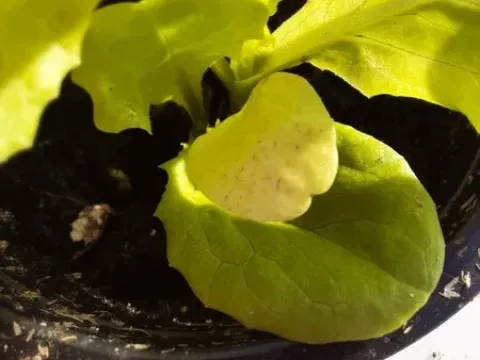
Symptoms typically begin as chlorotic spots on the leaves, which eventually turn into necrotic tissue as the virus spreads throughout the plant.
Plants become severely stunted, with crinkled and deformed leaves that often exhibit a mosaic pattern and yellowish discoloration along the veins.
The development of the head or rosette is often inhibited, giving the plant a compact, stunted appearance that is easily distinguishable from healthy plants.
Roots may also show signs of necrosis, leading to poor nutrient uptake and overall wilting during periods of high environmental stress.
- Chlorotic and necrotic leaf spots.
- Leaf distortion and curling.
- Stunted growth of the main rosette.
- Mosaic patterning on the foliage.
- Root decay in advanced stages.
The most effective control strategy involves the integrated management of aphid populations to prevent the transmission of the virus from reservoir hosts.
Rigorous weed control around the perimeter of the fields is essential to eliminate primary infection sources and reduce the overall viral load in the environment.
Crop rotation should be implemented to break the life cycle of the pathogen and manage soil-borne vectors that contribute to the spread of the disease.
Utilizing high-quality, virus-free seeds and transplants is the first line of defense in maintaining the health and vigor of lettuce crops.
Monitoring fields for early signs of infection and promptly rogueing out symptomatic plants can significantly limit the spread of the virus within the field.