
Leucostoma fruit tree canker
Leucostoma auerswaldii
Description
How to identify
Leucostoma fruit tree canker is caused by the ascomycete fungus Leucostoma auerswaldii, known for its anamorphic state Cytospora leucostoma. This pathogen is a significant threat to stone and pome fruits, causing necrotic lesions and branch dieback.
As a facultative parasite, the fungus typically attacks trees that have been weakened by environmental stressors like winter frost, sunscald, or improper pruning. It colonizes the cambium, disrupting nutrient flow.
The fungus is systematic in its approach to host infection, often establishing itself in small injuries or pruning wounds before expanding into larger, more vital structural parts of the fruit tree.
The disease cycle involves the formation of pycnidia and perithecia in dead bark tissue. Spores are released during wet weather and are spread by rain splash, wind, or even pruning tools and insects.
Favorable conditions for the pathogen include high humidity and periods of physiological stress in the host tree, allowing the fungus to progress rapidly through the cortex and xylem tissues.
What it damages
The pathogen primarily affects species within the Prunus genus, including peach, apricot, cherry, and plum trees. In susceptible orchards, the disease can lead to the death of entire trees within a few growing seasons.
Damage is characterized by the blockage of vascular tissue, causing branches to wither and die above the site of infection. This significantly reduces yield and eventually renders the tree unproductive.
The economic impact of the disease is severe, as it necessitates the removal of affected trees and increases costs related to intensive management and chemical protection programs in commercial orchards.
Infected trees serve as inoculum reservoirs for the entire orchard. If left unmanaged, the canker will spread to neighboring trees, causing an epidemic-like decline in orchard health.
Structural damage to the tree scaffold is also common, making branches brittle and susceptible to breakage under heavy crop loads or during stormy weather conditions.
Signs of infestation
Initial symptoms are characterized by sunken, reddish-brown areas on the bark. These lesions expand over time, leading to deep cracks and the eventual sloughing off of the dead outer bark.
A hallmark sign is the appearance of small, pinhead-sized black fungal fruiting bodies (pycnidia) protruding through the surface of the dead bark tissue.
- Sunken necrotic lesions on trunks and branches.
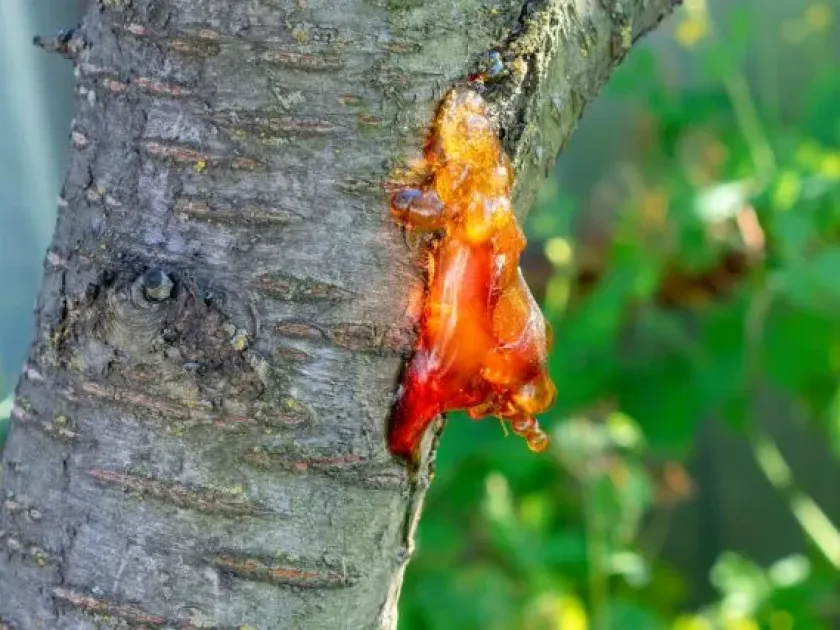
- Gummosis (oozing of sap) near the infection site.
- Premature yellowing and wilting of foliage on affected branches.
- Visible black pycnidia on the surface of the dead bark.
- Rapid dieback of limbs leading to tree mortality.
Control measures
Cultural control is the most effective strategy. This involves pruning infected branches during dry weather, cutting at least 15 cm into healthy tissue, and sanitizing tools with alcohol or bleach between each cut.
Protecting trees from sunscald is essential, as damaged bark is a primary infection site. Painting trunks with white latex paint or using trunk wraps can significantly reduce risk.
Chemical control focuses on applying copper-based fungicides during the dormant season and immediately after heavy pruning to protect wounds from spore colonization.
Orchard management should prioritize tree vigor through balanced fertilization and adequate irrigation to ensure the trees have the internal resources to wall off fungal infections.
All infected plant debris must be removed from the orchard and destroyed by burning, as the fungus can survive and produce spores on dead wood for several months or even years.
Discussion
No discussions yet — be the first.