
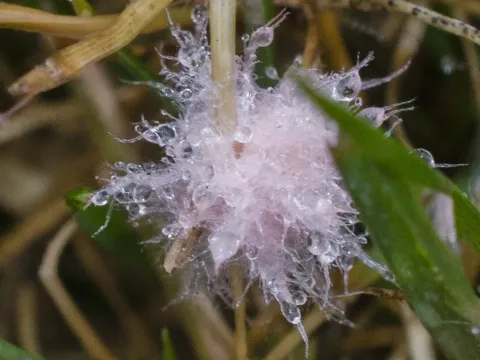
Snow mold
Lanosa nivalis
Snow mold is a destructive fungal disease caused by the pathogen Monographella nivalis (formerly known as Lanosa nivalis). It is a psychrophilic fungus belonging to the Ascomycota phylum, which thrives under cool and humid conditions.
What the section contains
Snow mold
The fungus is characterized by its ability to remain active at temperatures near or slightly above freezing. It persists in soil, infected crop residues, and seeds, surviving harsh winters as mycelium or resistant structures like sclerotia.
This pathogen belongs to the Monographella genus and is closely related to other Fusarium species. Its life cycle is heavily dependent on moisture levels, making it particularly problematic in regions with heavy snowfall and prolonged spring thawing.
Transmission occurs through infested soil, contaminated seeds, and wind-borne spores. The disease begins to colonize plant tissues during the late autumn as temperatures drop and soil moisture increases, setting the stage for winter development.
Identifying this pathogen often requires laboratory analysis, especially when distinguishing it from other winter-kill factors. Microscopic observation of infected tissue reveals characteristic fungal structures that confirm the presence of the pathogen.
Snow mold primarily attacks winter cereals, such as winter wheat, rye, and barley. The pathogen infects the crown and lower leaves, leading to the destruction of the plant's vital tissues and, ultimately, crop death.
Beyond agricultural crops, the disease is a significant concern for turf management on golf courses and sports fields. It causes unsightly patches of dead grass that can take weeks to recover or require complete reseeding.
The economic impact of snow mold is severe. It causes thin plant stands, reduced winter hardiness, and total loss of production in some areas, forcing farmers to perform costly reseeding operations in the spring.
In cases of severe infestation, the plant's crown is completely rotted, making any chance of spring recovery impossible. This leads to yield losses that can reach 50% or more depending on the intensity of the winter conditions.
Weakened plants that survive the initial infection remain susceptible to secondary diseases and environmental stress, resulting in lower grain quality and overall reduced harvest volume throughout the season.
The disease is most active during the late winter and early spring, specifically during the period when the snow cover begins to melt. The high moisture levels at temperatures near 0°C create the perfect environment for the fungus to spread.
In autumn, initial colonization occurs if the weather is cool and damp. This infection period is crucial for the pathogen as it establishes its presence in the crown and base of the winter crop seedlings.
During the coldest months of winter, the fungus continues its slow growth beneath the snow layer. In years with prolonged snow cover and non-frozen soil, the disease can spread rapidly from plant to plant within the crop canopy.
Springtime arrival signals the peak manifestation of symptoms. As soon as the snow melts, the damaged, moldy plants become visible, showing the cumulative destruction caused by the pathogen throughout the winter months.
As temperatures rise above 15°C and the soil dries out in late spring, the development of snow mold ceases. The pathogen does not thrive in warm, dry weather and enters a dormant or reproductive phase until conditions improve.
Initial symptoms are characterized by water-soaked spots on leaves that eventually turn yellow or brown. As the disease progresses, the plant tissues soften and decay, showing a characteristic moldy appearance.
A dense, fluffy mycelium, varying from white to pinkish in color, often covers the infected plants. This fungal growth is most noticeable during the early stages of snowmelt in the field.
Destruction of the plant crown is the most severe symptom. The crown becomes brown and mushy, which is a clear indicator that the plant will not be able to recover once temperatures allow for growth.
Affected areas in the field appear as irregular, blighted patches where the green color of healthy winter crops is replaced by straw-colored, dead biomass. These patches are typical of snow mold damage.
- Water-soaked, necrotic spots on lower leaves.
- White or pinkish fungal mycelium on plants.
- Soft, discolored, and rotted crowns.
- Small dark perithecia on dead leaf tissue.
Seed treatment with effective systemic fungicides is the primary defense strategy. This protects young seedlings from early-season infection and prevents the pathogen from establishing itself in the crop.
Cultural practices, such as choosing resistant varieties, are highly recommended. Breeders are continuously working to improve the genetic resilience of winter cereals against this specific fungal threat.
Proper crop rotation is essential to prevent the buildup of the pathogen in the soil. Avoiding continuous cropping of wheat or barley helps break the cycle of the disease and reduces the overall risk.
Autumn application of fungicides in areas with a history of severe snow mold can help suppress the disease before plants go dormant. This is particularly effective if the autumn weather remains damp and cool.
Farmers should be cautious with late-season nitrogen fertilization. Excess nitrogen can encourage lush, succulent growth that is more susceptible to fungal penetration, increasing the likelihood of significant damage during the winter.