
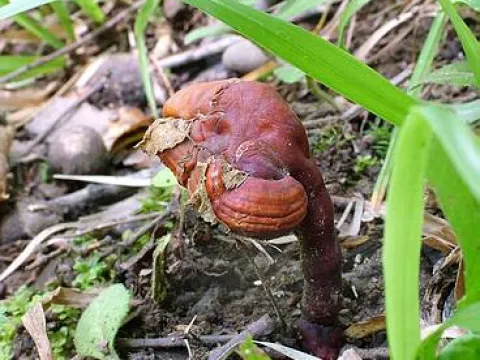
Ganoderma zonatum
Ganodermazonatum sulcatum
Ganoderma zonatum (also known as Ganoderma sulcatum) is a destructive wood-decay fungus classified within the Basidiomycetes phylum. This pathogen is notorious for causing basal stem rot, primarily affecting various species of palm trees in tropical and subtropical regions.
What the section contains
Ganoderma zonatum
The fungus produces hard, woody perennial conks (fruiting bodies) typically found at the base of the trunk. These conks often feature distinct concentric zones and furrows, which is the origin of their scientific common name, and range in color from reddish-brown to dark, nearly black shades.
Taxonomically, it belongs to the Ganodermataceae family. The mycelium colonizes the internal vascular tissues of the host, breaking down lignin and cellulose. This degradation results in a significant loss of structural integrity, often rendering the tree highly unstable.
Reproduction occurs through basidiospores released from the underside of the conk. These spores are dispersed by wind and splashing water, allowing the fungus to infect new hosts through wounds or natural openings in the bark and roots.
Microscopic examination of the mycelium reveals the presence of clamp connections, a key feature in identifying members of this genus. Due to its internal growth pattern, the fungus is often well-established before external symptoms appear.
The primary impact of Ganoderma zonatum is the induction of basal stem rot, which leads to the decline and eventual death of palm trees. By attacking the root system and the lower trunk, the fungus interrupts the vital transport of water and nutrients.
Affected trees typically show signs of water stress, including leaf yellowing and wilting, which progress from the oldest to the youngest foliage. Over time, the canopy thins, and the tree ceases to produce new growth.
The most dangerous aspect of this pathogen is the threat of sudden structural failure. Because the rot occurs deep within the trunk, the tree may lose its support system and fall without prior visible warning signs of instability.
Economic damage in landscape maintenance and nursery settings is substantial, as infected trees often require total removal. The fungus can persist in the environment, making it a recurring challenge for long-term landscaping projects.
Additionally, the weakened wood becomes a secondary target for wood-boring insects and other opportunist pathogens, which accelerate the overall degradation of the affected tree.
This fungus remains active throughout the year, especially in humid and warm climates where moisture levels support the continuous development of mycelium. Fruiting bodies are perennial and can produce spores over several seasons.
Infection cycles are largely dependent on the availability of moisture. Spores require damp conditions to germinate, making rainy seasons the most critical time for new infestations to take hold in open wounds or root injuries.
The rate of colonization varies based on environmental temperature. Optimal development generally occurs in warm, stable conditions, allowing the mycelium to spread through the vascular tissues effectively.
Dissemination is facilitated by wind gusts and rain droplets that carry spores to neighboring trees. In dense plantings, the fungus can spread relatively quickly if sanitary measures are ignored.
Favorable conditions for growth are often found at the base of the tree, where mulch, plant debris, and high humidity create an ideal microenvironment for the fungus to establish itself.
The appearance of woody conks near the base of the trunk is the most definitive sign of Ganoderma zonatum infection. These conks may appear as shelves or semi-circular crusts attached to the tree.
Visual symptoms in the canopy include severe leaf necrosis, wilting, and premature yellowing of lower fronds. This is a direct consequence of the fungus destroying the roots' ability to supply water to the crown.
Internal wood samples from infected trees typically reveal a soft, whitish, fibrous decay. This "white rot" appearance is caused by the fungus depleting the lignin in the wood cells.
The lower trunk may show signs of bulging, cracking, or abnormal bark texture. In some cases, the roots themselves become brittle and black, showing clear evidence of necrotic tissue.
A persistent, earthy or fungal odor may be detectable near the base of the tree, particularly when the wood is damp or the rot is advanced.
There is no known cure for a tree once it is deeply infected by Ganoderma zonatum. Therefore, control measures focus entirely on prevention, early detection, and sanitation to limit the spread of the fungus.
Infected trees should be removed promptly, including as much of the root system as possible, to prevent the spread of the pathogen to neighboring healthy plants. Destroying the removed material by burning is the recommended disposal method.
Preventative cultural practices include minimizing physical injuries to the tree's trunk and roots, as these are the primary entry points for the pathogen. Garden tools must be thoroughly cleaned and disinfected after contact with suspected diseased wood.
Maintaining tree vitality through proper fertilization and irrigation helps ensure the tree is resilient, though this does not provide immunity against fungal pathogens. Keeping the base of the tree clear of excessive mulch can also reduce humidity.
- Sanitary removal of all infected trunks and roots.
- Avoidance of mechanical damage to palm stems.
- Disinfection of pruning equipment and tools.
- Regular monitoring for fruiting bodies at the tree base.