
Ganoderma brownii
Ganoderma brownii
Description
How to identify
Ganoderma brownii is a basidiomycete fungus within the family Ganodermataceae. It is a well-known white-rot pathogen that primarily affects the woody tissues of various tree species.
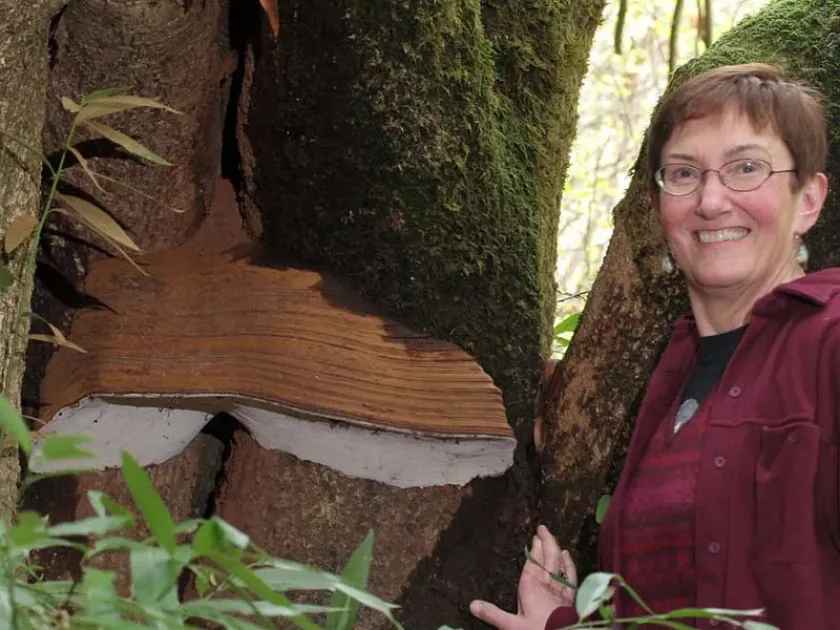
The fungus produces perennial, woody, and bracket-shaped fruiting bodies. These sporocarps are typically dark brown to black and display concentric growth rings on their surface.
Internally, the fungus develops an extensive mycelial network that degrades wood components, specifically lignin and cellulose. This process leads to the structural weakening of the host tree.
It is classified as a necrotrophic parasite, meaning it thrives by killing host tissues and consuming the remains. Over time, it can survive as a saprotroph on dead wood.
Identification is confirmed through the examination of its basidiospores and the microscopic structure of the pore surface, which distinguishes it from related species in the genus.
What it damages
The primary damage caused by Ganoderma brownii is the induction of white rot in the heartwood and root system. This results in the progressive internal degradation of the tree trunk.
The structural integrity of the tree is significantly compromised. This makes the host susceptible to windthrow, a common failure mode for trees infected by wood-decaying fungi.
The pathogen is particularly detrimental to mature trees, including both ornamental species and those in forest stands. The reduction in mechanical strength poses a safety hazard in public areas.
In addition to physical failure, infected trees show decreased vigor. This leads to symptoms such as branch dieback, thinning of the canopy, and overall reduced growth rates.
Economic losses are linked to the loss of timber value and the costs associated with removing hazardous trees near homes or utility structures.
When it appears
The fungus remains active as long as environmental conditions are suitable. The fruiting bodies can persist for multiple years, serving as a continuous source of inoculum.
Spore production is most abundant during warm, humid weather. Optimal temperatures and high moisture levels trigger the discharge and dispersal of spores through wind and splashing rain.
Infection is most likely to occur through wounds, including pruning cuts, frost cracks, or damage caused by maintenance equipment. This can happen throughout the growing season.
While infection risk is higher in spring and summer, the fungus can maintain its mycelial presence inside the wood year-round, regardless of external temperature fluctuations.
Field observation of sporocarps is most effective in late summer and autumn when the fruiting bodies reach maturity and become most conspicuous on the bark.
Signs of infestation
The most reliable sign of infection is the presence of woody, bracket-shaped fruiting bodies at the base of the trunk or on exposed roots, indicating established decay.
A thinning canopy and premature leaf yellowing are general indicators of stress. These symptoms often reflect the inability of the tree to transport water and nutrients efficiently.
Examination of the wood often reveals white rot, characterized by a bleached appearance and the presence of dark zone lines that demarcate areas of fungal colonization.
The bark near the infection point may appear sunken or discolored. In some cases, exudation or bleeding from cracks in the bark can also be observed.
The roots may show signs of decay, appearing brittle or spongy when probed, and in advanced stages, mycelial mats might be visible beneath the bark.
Control measures
Prevention is the most effective management strategy. Minimizing mechanical damage to the trunk and root zone is critical to preventing the entry of fungal spores.
Proper pruning techniques should be employed to ensure quick healing of wounds. Cuts should be clean and, if necessary, treated with protective compounds to prevent colonization.
Trees that show significant symptoms or have large fruiting bodies should be professionally assessed for risk. Removal is often necessary for hazardous specimens.
- Routine inspections of tree health, especially in high-traffic areas.
- Sterilization of pruning tools to prevent the spread of spores.
- Stump removal to eliminate reservoirs of the pathogen.
- Maintenance of tree vigor through adequate irrigation and nutrient management.
Once Ganoderma brownii establishes itself deep within the wood, it is virtually impossible to eradicate. Therefore, early detection and management of tree wounds are vital.
Causes diseases · 4
Discussion
No discussions yet — be the first.