
Geastrumia polystigmatis
Geastrumia polystigmatis
Description
How to identify
Geastrumia polystigmatis is a microscopic fungus classified within the group of ascomycetes. It serves as a specialized plant pathogen that primarily targets the vegetative parts of various host plants, leading to localized infections.
The taxonomic classification of this species is centered on its unique reproductive structures, known as sporodochia. These structures develop directly within the host tissue, facilitating the dissemination of conidia into the environment.
The fungus's life cycle is strictly synchronized with the seasonal development of the host plant. It survives the winter period within fallen plant debris, waiting for optimal spring conditions to initiate new infections.
Identification of the pathogen typically requires laboratory analysis, including microscopy to observe the morphological characteristics of its sporodochia and conidia. These features are essential for distinguishing it from other foliar pathogens.
Dissemination across agricultural or forest areas occurs through wind currents and rain splashes. These mechanisms allow the conidia to land on healthy leaves and penetrate the epidermis, starting the colonization process.
What it damages
The primary impact of Geastrumia polystigmatis is the damage caused to the foliage of broad-leaved trees and shrubs. By infecting the leaves, the pathogen significantly reduces the surface area available for photosynthesis.
Severe infestations lead to premature leaf drop, which weakens the plant's overall physiological status. This reduction in vigor hinders the plant's ability to store nutrients, ultimately affecting its growth in the following season.
Chronic infections make host plants more susceptible to secondary pests and various environmental stressors, such as drought or frost. The weakened state of the plant impairs its long-term survival and productivity.
In ornamental and forestry settings, the aesthetic and economic value of the plants is greatly diminished. Repeated infections can lead to the stunting of shoot development and a general decline in the vitality of the plant population.
The loss of assimilation capacity caused by the fungus disrupts the metabolic balance of the host. This deficiency results in poorer bud set and reduced reproductive potential, creating a cumulative negative effect over several years.
Signs of infestation
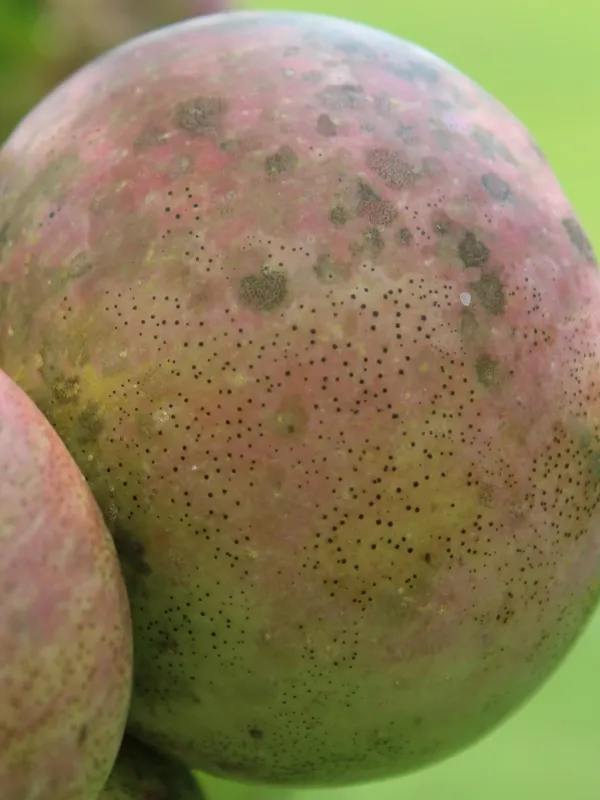
The initial signs of infection include the appearance of small, yellow or light brown spots on the surface of the leaf. As the fungal colony matures, these spots darken and may develop into necrotic lesions.
The hallmark sign of this pathogen is the presence of minute black dots within the infected spots, which represent the sporodochia. These structures are often arranged in patterns and are visible to the naked eye upon close inspection.
Often, a chlorotic halo develops around the necrotic spot, indicating the activity of fungal toxins that suppress the plant's cellular defenses. This zone of discolored tissue is a typical reaction of the plant to the infection.
In advanced stages, the infected leaf tissue may become dry, brittle, and eventually drop off. This can lead to a perforated or tattered appearance of the foliage, significantly affecting the plant's overall health and visual appearance.
Proper identification involves distinguishing these lesions from environmental damage or other types of fungal diseases. The confirmation of sporodochia under magnification is a critical diagnostic step for this specific pathogen.
Control measures
The most effective strategy for controlling the spread of this pathogen is strict sanitation. Collecting and destroying fallen leaves is essential, as it removes the primary source of inoculum for the upcoming growing season.
Maintaining proper planting density and regular pruning is crucial for improving air circulation within the canopy. Reduced humidity levels make the environment less favorable for the germination and spread of fungal spores.
Chemical control can be implemented using fungicides during the peak development stages of the disease. Systemic products are generally more effective at stopping the growth of mycelium already established within the leaf tissue.
Enhancing the plant's natural resistance through balanced fertilization and proper irrigation is key to mitigating damage. Strong, well-nourished plants are better equipped to withstand and recover from fungal infections.
- Implement regular sanitary pruning to remove infected branches.
- Clear and dispose of all leaf litter during autumn and winter.
- Apply fungicides during periods of high humidity and leaf development.
- Monitor plants frequently to detect early symptoms of the disease.
Causes diseases · 1
Discussion
No discussions yet — be the first.