
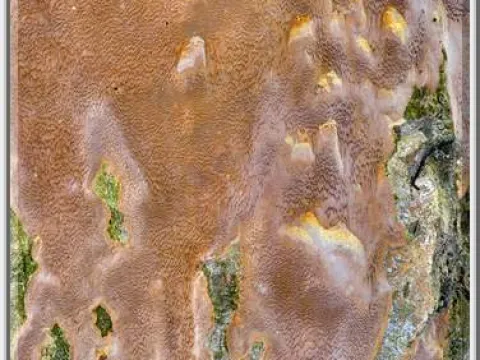
Fomitiporia punctata
Fomitiporia punctate
Fomitiporia punctata belongs to the Kingdom Fungi, Phylum Basidiomycota, and the genus Fomitiporia. It is a wood-decay fungus that acts as both a parasite and a saprotroph in forest and orchard ecosystems.
What the section contains
Fomitiporia punctata
The fruiting bodies of this fungus are typically perennial, resupinate, and firmly attached to the substrate. The surface of the hymenophore is ocher-brown or yellowish-brown with extremely fine pores.
The mycelium of the fungus actively penetrates wood tissues, leading to the degradation of cellulose and lignin. Spores are primarily dispersed by wind, settling on damaged bark or exposed wood cuts.
This pathogen is frequently found on weakened plants. Its presence is indicated by structural degradation of trunks and branches, making it a significant risk to the longevity of tree plantations.
The fungus prefers temperate climates and is commonly found in deciduous forests, parks, and industrial orchards, targeting old or frost-damaged trees.
Fomitiporia punctata affects a wide range of deciduous trees and shrubs. In agricultural settings, it poses a particular threat to pome and stone fruit crops.
The most common hosts include apple, pear, willow, hazel, as well as various species of poplar and maple. The fungus often colonizes trees already weakened by other stressors.
The pathogen causes a white rot in the heartwood. This process gradually destroys the mechanical strength of the trunk and structural branches of the tree.
Infection often starts at sites of mechanical injury, pruning cuts, or sunscald. The penetration of the fungus inside the stem makes the tree vulnerable to windthrow and mechanical failure.
In severe cases, the fungal mycelium completely occupies the wood, leading to reduced yields, impaired canopy nutrition, and eventually the death of the fruit tree.
A key external sign is the presence of characteristic resupinate fruiting bodies on the bark. They appear as dense, brownish crusts with a velvety, pore-covered structure.
Internal wood decay manifests as white rot. The wood becomes brittle, loses its density, and may develop a specific marble-like pattern with dark, irregular lines.
Mycelium is often localized near old wounds or frost cracks. A cross-section of an infected branch often shows discoloration of the wood, transitioning from healthy tissue to lighter, decaying areas.
Wilting of individual skeletal branches while the rest of the canopy remains viable is an indirect indicator of a developing wood-decay fungus within the vascular system.
Fruiting bodies may be present throughout the year but are most active during periods of high humidity when spores are effectively released into the environment.
The primary control measure is maintaining high agricultural standards. It is crucial to prevent mechanical bark damage and treat all wounds on fruit tree trunks promptly.
Regular sanitary pruning of infected branches is necessary. All cuts should be sealed with wound paints or fungicide-containing pastes to prevent spore entry.
Removal of dead and diseased trees from the orchard is mandatory. Fruiting bodies should be removed and destroyed, as they act as a continuous source of infection.
Preventive spraying with copper-based products during the early spring helps reduce overall inoculum levels and protects exposed wood areas from colonization.
Balanced fertilization and proper irrigation enhance tree immunity, making them more resistant to fungal establishment. A healthy tree can withstand the development of mycelium for a longer period.