
Frommea obtusa
Frommea obtusa
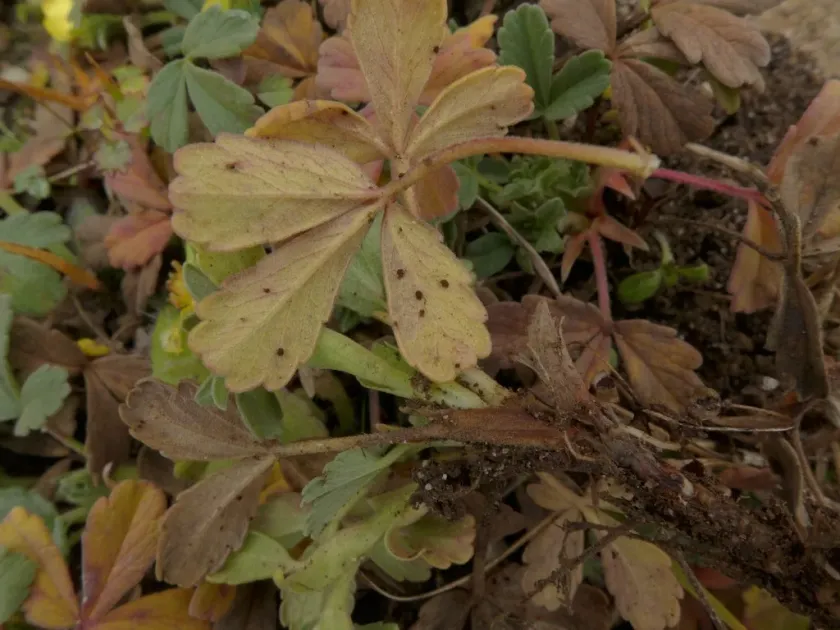
Description
How to identify
Frommea obtusa is an obligate parasitic fungus within the Pucciniales order, known for causing rust disease on various species of Potentilla (cinquefoil). It belongs to the Phragmidiaceae family and is a specialized phytopathogen.
As a rust fungus, Frommea obtusa exhibits a complex life cycle involving various types of spores, including urediniospores and teliospores, which facilitate its survival and dissemination in the environment.
The fungus is identified by its interaction with the host plant's tissues, where it establishes its mycelium to extract nutrients. It specifically targets the leaves, where it completes its reproductive cycle.
Microscopic examination typically reveals the presence of specific spore structures that differentiate this pathogen from other rust-causing fungi occurring on related plant species.
Understanding its systematic position is crucial for agricultural diagnostics, as it helps in selecting the correct fungicide group and implementing appropriate management strategies.
What it damages
The primary host for Frommea obtusa is Potentilla. The infection causes significant damage to the foliage, which is the main photosynthetic organ of the plant, thus affecting its overall growth and vigor.
Rust infection leads to the destruction of leaf tissue, resulting in premature leaf drop and weakening of the plant's structural integrity. This is particularly problematic for ornamental varieties used in landscaping.
Infected plants exhibit reduced energy storage, making them more susceptible to cold stress during winter months and secondary infections from other soil-borne or airborne pathogens.
The economic impact is manifested through increased maintenance costs, the need for chemical interventions, and the loss of aesthetic value of the plants in nurseries or public gardens.
Continuous infection cycles can lead to the slow decline of the plant, often resulting in stunted growth and a significant reduction in the number of flowers produced each season.
Signs of infestation
The first signs of infection usually appear as small, chlorotic or yellow spots on the upper leaf surface during periods of high humidity. These spots mark the initiation of the fungal colonization.
Subsequently, characteristic orange or rust-colored pustules (uredinia) develop on the undersides of the leaves. These pustules rupture the plant epidermis to release clouds of urediniospores.
Later in the season, these structures may transition into dark-colored telia, which represent the overwintering stage of the fungus, allowing it to survive until the following spring.
- Presence of rust-colored pustules on leaf undersides
- Yellowing and necrosis of the leaf blades
- Premature defoliation of the host plant
- Deformed foliage and stunted shoot development
- Reduced flowering capacity
The symptoms are highly dependent on environmental conditions, with warm, moist weather significantly accelerating the formation of pustules and the spread of spores to healthy tissues.
Control measures
Effective management begins with strict sanitation practices, including the removal and destruction of all fallen leaves and infected plant debris at the end of the growing season to eliminate overwintering spores.
Improving air circulation around the plants through proper spacing and pruning is a critical preventive measure, as it reduces the humidity levels that the fungus requires for spore germination.
Chemical control involving systemic fungicides, such as those in the triazole or strobilurin classes, may be applied if early symptoms of rust are detected to prevent a widespread outbreak.
Nursery management should prioritize the selection of resistant cultivars and ensure that new plant stock is free from signs of infection before introduction into existing plantings.
Monitoring the plants regularly throughout the growing season allows for early detection, which is essential for successful control and prevents the need for excessive chemical treatments later on.
Causes diseases · 1
Discussion
No discussions yet — be the first.