
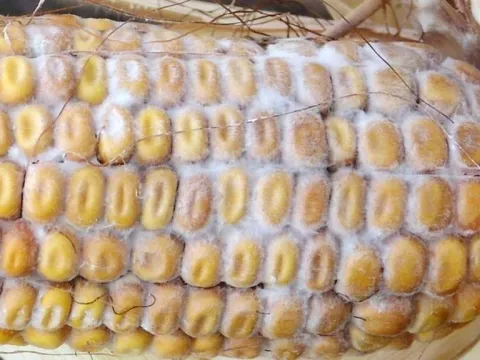
Diplodia ear rot
Diplodia zeae
Diplodia ear rot is a destructive plant disease caused by the fungus Stenocarpella maydis, formerly known as Diplodia zeae.
What the section contains
Diplodia ear rot
It belongs to the Ascomycota phylum and is known for producing black, pimple-like fruiting bodies called pycnidia on the surface of infected tissues.
The pathogen is highly specialized and survives on crop debris, in the soil, and within infected seeds throughout the winter months.
The life cycle involves the production of conidia that are released under high humidity conditions, facilitating the spread of the fungus across fields.
This fungus is widely recognized as one of the most persistent and damaging pathogens affecting corn production globally.
The fungus causes severe damage to corn stalks, roots, and ears, leading to significant yield losses and lower grain quality.
Infected ears exhibit heavy fungal growth, which rots the kernels and can result in total destruction of the ear structure.
Stalk rot caused by this pathogen weakens the plants, making them susceptible to lodging, which hampers mechanical harvest and leads to field losses.
Infected grain is often contaminated with mycotoxins, rendering it unsuitable for human consumption or animal feed markets.
When the pathogen infects the crown of the plant, it disrupts water and nutrient uptake, causing the entire plant to wilt prematurely.
The disease is most prevalent during the late stages of crop development, particularly from the silking phase through grain maturity.
Favorable environmental conditions for the fungus include prolonged wet and warm weather during the reproductive stages of corn.
Initial infections may occur early in the season if contaminated seeds are planted, affecting the germination and vitality of the seedlings.
Conidial dispersal is most active during periods of high humidity and rainfall, which provide the necessary moisture for the fungus to germinate.
Late-season outbreaks are common if moisture levels remain high as the corn ears begin to mature and lose their protective moisture barriers.
The most visible symptom on ears is a white, moldy fungal growth that typically starts at the base of the ear and spreads towards the tip.
Small black pycnidia, appearing as tiny dots, emerge on the husk and the moldy grain as the fungus progresses through its reproductive phase.
Stalks affected by the disease turn gray or brown, become soft, and often show signs of pith degradation in the lower internodes.
The husks may appear bleached or gray, often remaining tightly attached to the ear due to the fungal mycelium growing between them.
Infected kernels are lightweight, discolored, and often appear shriveled compared to healthy grain within the same crop.
Crop rotation is the primary defense strategy, as rotating corn with non-host crops like soybeans reduces the inoculum level in the soil.
Tillage practices that incorporate crop debris into the soil accelerate the decomposition process and help reduce the fungal population.
Planting corn hybrids with high genetic resistance is the most effective approach to minimize the impact of the disease in high-risk areas.
Seed treatment with registered fungicides is essential to protect young plants from soil-borne infection during the initial stages of growth.
- Manage plant density to improve aeration
- Prompt harvesting to prevent prolonged exposure
- Proper fertility management to improve plant health