
Diplodia seriata
Diplodia seriata
Diplodia seriata is an ascomycete fungus belonging to the Botryosphaeriaceae family. It is a well-known pathogen capable of causing wood-decay symptoms in a wide range of woody hosts including grapevines and various fruit tree species.
What the section contains
Diplodia seriata
The fungus exists as both a latent endophyte and a necrotrophic pathogen. It produces conidia in pycnidia, which are small, dark structures that break through the plant surface to release spores, allowing for rapid secondary spread within the orchard or vineyard.
The primary economic damage is linked to its role in grapevine trunk diseases, particularly esca and black dead arm. It also causes significant issues in pome fruits, manifesting as black rot and cankers on branches and fruit.
The pathogen colonizes xylem tissues, leading to the disruption of water and nutrient transport. This systemic interference causes wilting, branch dieback, and eventual tree or vine death, reducing the lifespan and productivity of the plantations.
Infection typically occurs during the growing season when environmental conditions are conducive to spore dispersal. Rain events serve as the main vector for splashing conidia onto fresh pruning wounds or natural openings on the plant bark.
Temperature plays a crucial role, with the most active infection occurring during mild to warm periods. Stress, such as drought or excessive heat, can activate the latent fungus, triggering the transition from endophytic growth to pathogenic colonization.
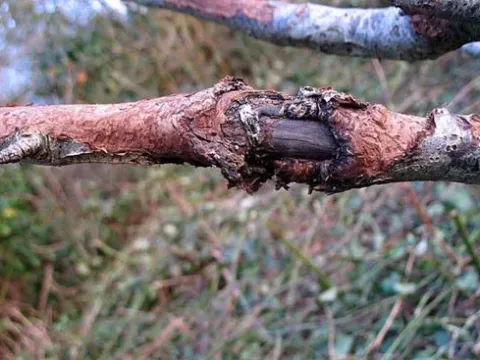
Visual symptoms often include the development of depressed, necrotic lesions on the wood. Over time, the bark may split, exposing underlying necrotic tissue where fungal pycnidia eventually become visible as tiny black pimples.
- Internal wood necrosis visible upon pruning cuts.
- Leaf chlorosis and necrosis, often between leaf veins.
- Sudden dieback of cordons or entire vine shoots.
- Cankers on branches leading to limb girdling.
- Mummified fruits that persist on the tree during winter.
Effective management relies on a strategy of exclusion and sanitation. Removing and destroying infected plant material is the most important step to lower the pathogen inoculum level within the orchard or vineyard.
Pruning should be performed during dry conditions to minimize the risk of infection. All major pruning cuts should be protected with appropriate wound sealants or systemic fungicides to prevent the entry of fungal spores into the exposed xylem.
Maintaining plant vigor through balanced nutrition and adequate irrigation helps trees and vines resist infection. Fungicide applications, specifically those targeting the Botryosphaeria complex, can be integrated into the protection schedule as a preventive measure.