
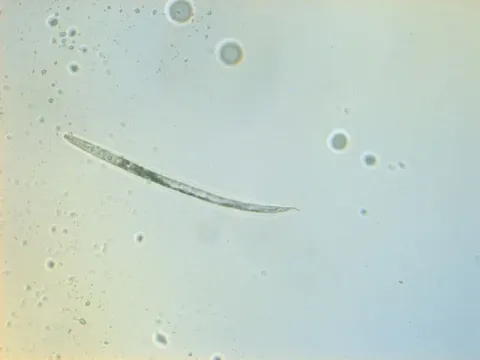
Diphtherophora
Diphtherophora
Diphtherophora is a genus of microscopic soil-dwelling nematodes belonging to the family Diphtherophoridae. These organisms are typically found in the rhizosphere, where they interact with the root systems of various plants.
What the section contains
Diphtherophora
The morphological structure of these nematodes includes a smooth cuticle and a specialized feeding apparatus known as an onchostyle, which is used for piercing and feeding on plant tissue or fungal mycelium.
Identification of the genus requires expert microscopy and specific slide preparation techniques, as their minute size makes field diagnosis difficult without laboratory equipment.
Systematically, they are classified under the phylum Nematoda, class Adenophorea, and order Dorylaimida, which comprises a diverse group of soil nematodes.
They are widely distributed globally and can survive in various soil types, though they prefer habitats with consistent moisture levels for optimal movement.
Diphtherophora can negatively affect crop yields by causing damage to the fine root hairs and lateral roots of agricultural plants, including vegetables and cereals.
The primary damage occurs through feeding activities that weaken the plant's root system, making it less efficient at absorbing water and essential nutrients from the soil.
These feeding lesions provide a pathway for opportunistic soil-borne pathogens, such as Fusarium species, to enter the root system and cause decay.
Young seedlings are particularly vulnerable, as damage to their developing root systems can lead to stunted growth, reduced vigor, or total plant loss.
In high-density populations, the cumulative effect of these nematodes manifests as poor stand uniformity and significant reduction in the quality of the harvested produce.
Plants affected by these nematodes often exhibit poor growth, chlorosis, and a general lack of vigor compared to unaffected plants in the same field.
Field signs include patches of stunted growth where plants fail to reach their full potential despite receiving adequate irrigation and fertilization.
Visual inspection of the root system often reveals necrotic lesions, darkened tissues, and an underdeveloped lateral root structure due to constant feeding pressure.
In cases of severe infestation, plants may display signs of early wilting, especially during hot and dry spells when the damaged root system cannot support the plant's water demands.
- Stunted growth and reduced overall plant development.
- Presence of small necrotic spots or lesions on the roots.
- Increased susceptibility to secondary fungal and bacterial infections.
Effective management of Diphtherophora focuses on cultural practices that minimize the population size in the soil over the long term.
Crop rotation remains the most sustainable method, as introducing non-host crops interrupts the lifecycle and forces a decline in the nematode population.
Improving soil health through the addition of organic matter encourages a diverse community of beneficial soil organisms that may act as natural antagonists.
Strict weed control is essential, as various weed species can act as alternative hosts, maintaining the nematode population in the field between seasons.
Chemical control using nematicides is generally reserved for severe outbreaks and should be based on soil testing to determine if the pest threshold warrants intervention.