
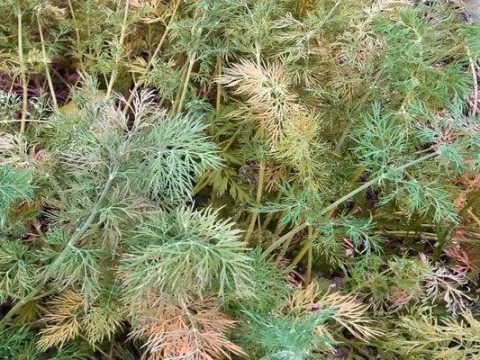
Dirty-yellow discoloration
Dirty-yellow discoloration
Dirty-yellow discoloration is a symptom of fungal infection, frequently linked to the pathogen Pyrenophora tritici-repentis. This organism is classified within the Ascomycota phylum and is known for causing significant leaf spot diseases in cereal crops.
What the section contains
Dirty-yellow discoloration
The fungus is a necrotrophic pathogen that survives as mycelium or pseudothecia on crop residues. It is a highly specialized organism that adapts its life cycle to the phenology of host cereals, ensuring survival from one season to the next.
The development of the fungus relies heavily on environmental factors, particularly rainfall and high humidity. Spores, known as ascospores and conidia, are dispersed via wind and water splashing, facilitating rapid spread across large fields.
Once the spores land on susceptible host tissue, they germinate under appropriate temperature conditions. The mycelium penetrates the leaf surface, leading to the destruction of cells and the characteristic discoloration observed in the field.
Accurate identification often requires microscopic examination to distinguish these symptoms from other physiological disorders or nutrient deficiencies that might produce similar yellowing effects.
The primary hosts of this pathogen are wheat, barley, and rye. It also affects various wild grasses, which act as secondary hosts and play a crucial role in the epidemiology of the disease.
The infection primarily attacks the lower foliage first, gradually moving upward. By reducing the healthy leaf area, the pathogen impairs the plant's ability to perform photosynthesis, which is critical during grain filling stages.
The damage leads to lower yields and poor grain quality. Infected crops may exhibit reduced kernel weight, lower protein content, and overall plant weakness, making them susceptible to other stressors.
In cases of severe infection, also known as epiphytotics, farmers can face yield losses exceeding 30-40 percent. The economic impact is often magnified by the increased cost of additional fungicide applications.
Prolonged infection also affects the plant's root development and tillering capacity, leading to thinner stands and lower overall stand density in the field.
Early symptoms include small, dirty-yellow lesions that often appear on the leaves. As the disease progresses, these spots may develop a dark central necrotic area surrounded by a distinct chlorotic halo.
In high humidity, a fine, greyish fungal growth might be visible on the necrotic spots. This sign indicates active sporulation, which can lead to further secondary infections throughout the crop canopy.
As lesions coalesce, the entire leaf blade may turn yellow and eventually die. This premature senescence significantly shortens the grain-filling period, further impacting the final harvest results.
- Dirty-yellow spotting on leaves.
- Characteristic chlorotic halos surrounding necrotic centers.
- Presence of greyish conidia in humid conditions.
- Gradual leaf yellowing and necrosis from the lower canopy upwards.
Black, pin-head sized structures called pseudothecia develop on decaying foliage toward the end of the season, serving as the overwintering stage for the fungus.
Crop rotation is a fundamental management practice. By rotating away from susceptible cereals for at least two years, farmers can significantly reduce the initial inoculum density in the field.
Residue management is equally critical. Tillage practices that bury infected stubble deep into the soil accelerate decomposition and break the cycle of the fungus, reducing the primary infection source for new crops.
Fungicide application remains the most direct control measure during the growing season. Timing is essential, with applications usually targeted during the flag leaf emergence to protect the most productive parts of the plant.
Balanced fertilization, particularly adequate potassium levels, helps maintain plant health and cell wall integrity, making the plants more resilient to fungal invasions.
The use of certified, clean, and resistant seeds is a preventative strategy that helps ensure the crop starts the season without being predisposed to early-stage infection.