
Diplocarpon mespili
Diplocarponmespili
Diplocarpon mespili is an ascomycete fungus that acts as a significant plant pathogen, primarily known for causing leaf spot diseases in members of the Rosaceae family. Its anamorphic form is Entomosporium mespili.
What the section contains
Diplocarpon mespili
Belonging to the order Helotiales, this fungus is highly specialized in infecting fruit trees. Its lifecycle involves both sexual and asexual stages, allowing it to adapt effectively to changing environments.
The fungus overwinters as mycelium and apothecia (fruiting bodies) on fallen infected leaves and fruit debris remaining on the orchard floor.
In spring, when conditions become favorable, the apothecia release ascospores, which are dispersed by rain splash and wind to reach the foliage of the host plants.
Once settled on the leaves, the spores germinate, and the hyphae penetrate the plant tissue through natural openings or the epidermis, establishing an infection site.
The host range of Diplocarpon mespili includes several economically important trees such as medlar, hawthorn, quince, pear, and serviceberry (Amelanchier).
The most severe impact of this pathogen is premature defoliation, which severely drains the tree's energy reserves and impairs photosynthetic capacity late in the season.
Reduced photosynthetic activity leads to weakened trees, making them highly susceptible to winter injury and cold-related death of buds and branches.
Infected fruits show distinct dark spots and pitting, which renders them aesthetically unappealing and often completely unmarketable.
Young nursery stock is particularly vulnerable; repeated severe infections can cause stunted growth or even the total death of young trees due to chronic nutrient depletion.
Disease development typically begins in the early spring, triggered by rising temperatures (usually above 10-12 degrees Celsius) and high moisture levels.
Prolonged wet weather is essential for the pathogen's development, as water film is required for both the germination of spores and the movement of the pathogen across the leaf surface.
During the summer months, the pathogen undergoes multiple cycles of infection, especially after periods of high humidity and rain, leading to progressive spread throughout the canopy.
Late summer and early autumn often see the peak of the disease, characterized by severe leaf drop and the formation of resting structures on debris.
As temperatures drop in autumn, the fungus ceases active infection and focuses on the formation of overwintering structures to survive until the next growing season.
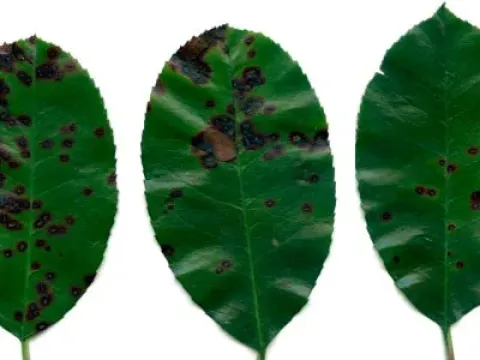
The primary symptom is the appearance of small, circular, reddish-brown to dark purple spots scattered across the upper surface of the leaves.
As the infection progresses, these spots enlarge, turn black, and may develop a yellowish halo, eventually causing the entire leaf to wither and fall.
- Development of tiny black acervuli within the centers of the leaf spots.
- Premature yellowing and shedding of leaves starting from the lower branches.
- Sunken, dark lesions on young shoots and twigs.
- Small, black spots on fruits, often leading to skin cracking.
- Noticeable reduction in overall plant vigor and foliage density.
In conditions of high humidity, a faint, grayish spore mass may be visible on the surface of the lesions, indicating active sporulation.
The fundamental control strategy is orchard hygiene; removing and destroying fallen leaves during autumn significantly reduces the primary inoculum source for the following spring.
Pruning trees to improve air circulation and sunlight penetration is crucial, as it helps foliage dry faster after rain, thereby inhibiting fungal spore germination.
Protective fungicide sprays, particularly those containing copper, should be applied at bud break to prevent initial infections on new growth.
In cases of severe infestation, systemic fungicides including triazoles or strobilurins are effective, provided they are applied before the disease becomes widespread.
Maintaining optimal tree health through proper fertilization and pest management improves the tree's natural resistance, making it better able to withstand pathogen pressure.